How to create a family media agreement that actually works
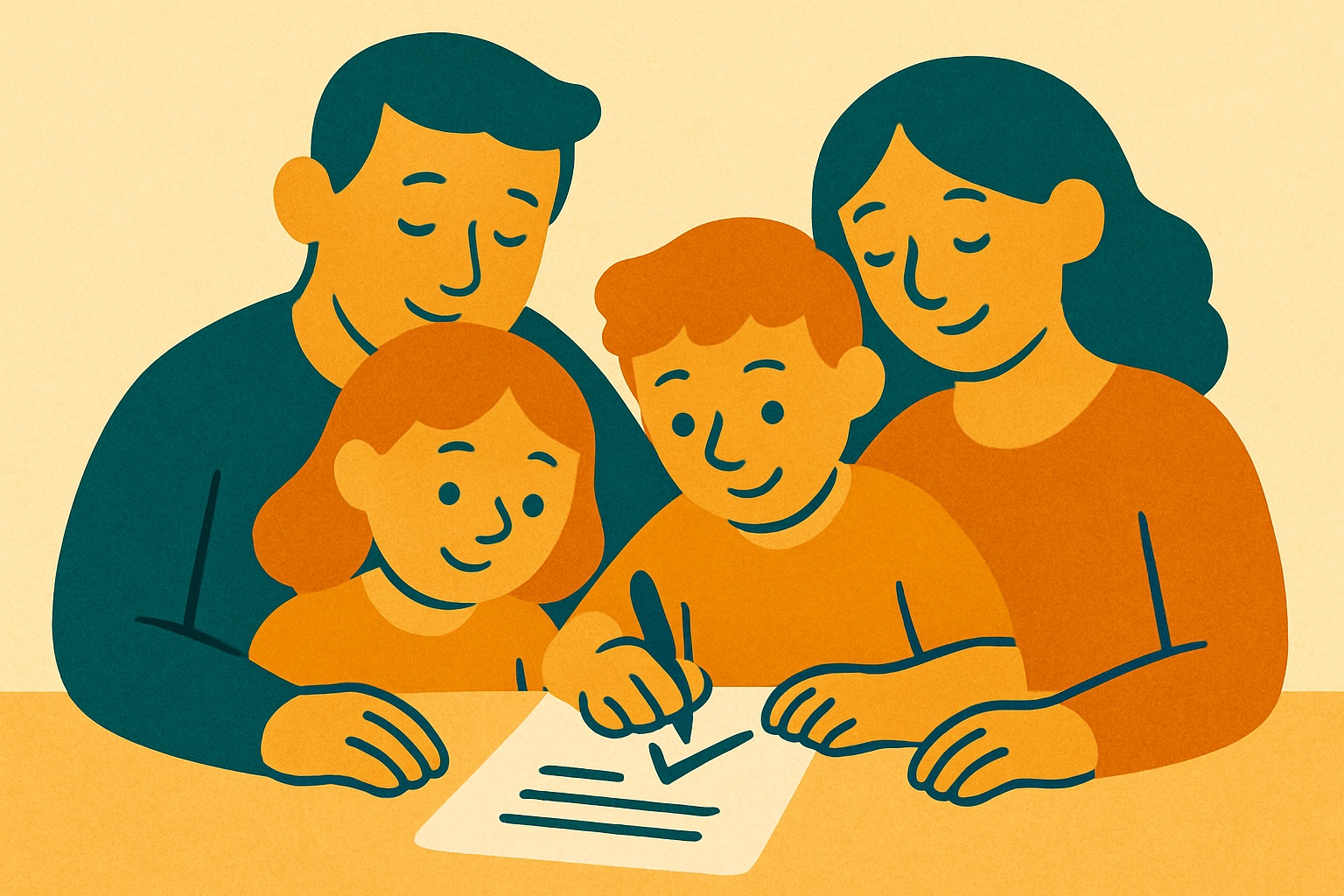
A family media agreement works best when it is a shared plan made together, rather than a list of strict rules handed down from adults. To create one, sit down with your child to discuss their favourite online activities, agree on clear boundaries together, and establish a safe space for them to come to you if they see something confusing. Once you have agreed on the basics, write them down and keep the document somewhere visible so everyone can refer back to it easily.
Raising children has always come with challenges, but parenting in a digital age often feels like navigating a maze blindfolded. We want our children to enjoy the internet, play games with their friends, and learn new things. At the same time, the rapid rise of artificial intelligence has brought new concerns, from convincing fake videos to sophisticated phishing scams. It is completely normal to feel overwhelmed by how fast things are changing. However, you do not need a degree in computer science to keep your family safe. You just need a clear, practical plan that keeps the lines of communication open.
Shifting from rules to responsibilities
Traditional screen time limits are fine for ensuring everyone gets enough sleep, but they do not help a ten-year-old figure out if a video they just watched is real or an AI creation. We need to move away from simply dictating how many minutes they can spend on a tablet. Instead, we must start discussing the content they are consuming and how to handle tricky situations when they arise.
Children are facing things we never had to deal with at their age. A voice note that sounds exactly like their best friend asking for a favour, or a video of a beloved celebrity offering free in-game currency, can easily trick them. An agreement helps them understand that the online space requires a critical eye. It teaches them to pause and think before they click, share, or download anything.
When you involve your children in writing the agreement, they feel respected rather than restricted. A primary school pupil might simply agree to fetch an adult before typing their name into a new website. A young teenager might agree to verify a strange message from a friend before clicking a link. The goal is to build a foundation of trust so that they feel confident making good choices on their own.
How to start the conversation calmly
The hardest part is often just bringing the topic up without causing friction. If you sit them down formally and announce that you need to talk about internet safety, they will likely roll their eyes or become defensive. Instead, look for natural, low-pressure moments. A car journey, walking the dog, or sitting on the sofa while they play a game are perfect opportunities to chat.
Start with curiosity rather than worry. Ask them to show you a video they found funny today, or ask them to explain how their favourite game works. Once they are talking happily about their digital world, you can gently introduce the idea of a family plan. You might say something like, “I have been reading about how easy it is to fake videos and voices now, and I want to make sure we all know how to spot them.”
Keep the focus on teamwork. Remind them that adults get tricked by clever scams and phishing emails all the time. This is not about you policing them because they are young. It is about the whole family learning how to navigate a space that changes very quickly. New UK laws, like the Online Safety Act, are asking tech companies to do more to protect users, but our first line of defence is always our own awareness at home.
Practical things to include in your agreement
Your agreement should be specific to your family, but there are a few core areas every plan should cover. First, agree on what information stays private. This goes beyond just passwords. Talk about why we never share our location, our school name, or even short voice recordings with people we only know online, as these can easily be misused by new technologies.
Include a specific section on spotting deception. For younger children, this might be a simple rule: if a video or a message makes you feel scared, excited to win a prize, or rushed, you come and get an adult. Scammers and AI bots rely on creating strong emotions to make us act quickly without thinking. Teaching your child to pause when they feel that sudden rush of adrenaline is incredibly protective.
For older children and young teenagers, you can be more direct about deepfakes and voice cloning. Agree that if a friend or family member messages them asking for money, passwords, or anything unusual, they must verify it through a different method. They can call the person directly or ask a question only the real person would know. Writing this down makes it a standard procedure rather than a panicked reaction.
The most vital part is the ‘no panic’ clause
If there is only one thing you take away from this guide, it should be the ‘no panic’ clause. Children often hide their online mistakes because they are terrified of losing their devices. If they click a bad link, reply to a phishing message, or stumble across a convincing but frightening deepfake, their first instinct is usually to close the screen and keep quiet.
Your media agreement must state clearly that if they come to you with a problem, you will not overreact and you will not immediately confiscate their phone or tablet. You need to promise that you will take a deep breath and help them fix it. They need to know they are safe coming to you, no matter how embarrassing the mistake might feel.
Stories are a wonderful way to reinforce these ideas without lecturing. At Safety Spotters, our books turn these exact lessons into engaging stories children remember. When they read about characters navigating fake messages or clever bots, the concepts stick in their minds much better than a plain list of rules ever could.
Keeping the agreement alive
A family media agreement is not a document you write once and ignore. As your children grow and technology changes, your plan needs to adapt. A rule that works perfectly for a seven-year-old will feel incredibly restrictive to a twelve-year-old. Set a regular time to review the agreement together, perhaps at the start of every school term.
Use this time to ask what is working and what is not. Have they noticed any new types of scams? Are there new apps their friends are using? Be prepared to negotiate. As they demonstrate good judgement, they should earn more digital freedom. If they can confidently explain how to spot a phishing link, you can trust them with slightly broader boundaries.
Finally, remember that you must follow the agreement too. If you have agreed on no phones at the dinner table, that applies to adults just as much as children. Modelling the behaviour you want to see is the most effective teaching method of all. When they see you critically evaluating an odd email or putting your phone away to listen to them, they will naturally follow your lead.
Try this at home
- Grab a large piece of paper and some coloured pens. Sit down together and write “Our Family Digital Plan” at the top. Let your child physically write some of the rules so they feel ownership of the document.
- Agree on a safe phrase. Pick a random, funny phrase your child can text you or say out loud if they are in an uncomfortable digital situation (like a group chat getting out of hand) and need you to intervene without losing face.
- Sign it and display it. Have everyone in the house, including adults, sign the bottom of the paper. Pin it to the fridge or a noticeboard where everyone can see it daily.
Frequently asked questions
What if my child refuses to help write the agreement? Start small. Do not force a long sit-down meeting. Instead, ask for their input on just one rule, such as what time devices should be charged at night. Praise their contribution and gradually add to the agreement over a few weeks.
How do I explain deepfakes to a younger child without scaring them? Keep it simple and relatable. Compare it to magic tricks or special effects in movies. Explain that computers are now very good at playing dress-up, so sometimes a video might look like a real person, but it is just a computer wearing a mask.
Should I still use parental control software if we have an agreement? Yes, they work best together. Think of parental controls as the safety belt and the agreement as learning the rules of the road. Software can block known dangers, but the agreement teaches them how to navigate the risks that slip through the net.
What should I do if my child breaks the agreement? Refer back to the document calmly. Ask them why it happened and what they think the consequence should be based on what you agreed. Treat it as a learning opportunity rather than a reason to issue a harsh punishment.
To help your family start these conversations, we have put together a special resource. You can claim a free copy of our latest guide for parents and teachers at safetyspotters.com/free.