The Safety Spotters Blog
Calm, practical guidance for parents and teachers helping children stay safe from AI-enabled scams, deepfakes and online tricks.
AI chatbots vs real people: how to help kids tell the difference
You can help children tell AI chatbots from real people by teaching them to look for replies that are unusually fast, perfectly spelled, and lacking normal h

Are AI voice changers in video games safe for kids?
AI voice changers in video games are generally safe when used for creative play, but they do introduce new risks when children interact with strangers online
Are deepfake apps safe for children to use?
Deepfake apps are not entirely safe for children to use without adult supervision, as they often collect personal facial data and can be misused for bullying

Can you tell if a voice note is AI-generated?
Yes, you can often tell if a voice note is AI-generated by listening closely for unnatural breathing, strange pauses, or a slightly metallic sound. While the
Fact-checking for kids: simple tools for primary school students
Teaching primary school students to fact-check involves showing them how to pause, question what they see online, and check a second trusted source. By guidi
Free KS2 lesson plans for teaching children about AI risks
You can teach Key Stage 2 children about AI risks by using simple, story-based lesson plans that focus on pausing, questioning, and checking before they clic

How AI image generators work: a simple guide for parents
AI image generators are computer programmes that create new pictures by mixing patterns they have learned from millions of existing photographs and artworks.

How AI is making phishing emails harder for children to spot
Artificial intelligence makes phishing emails harder for children to spot because it removes traditional warning signs like bad spelling and strange grammar.
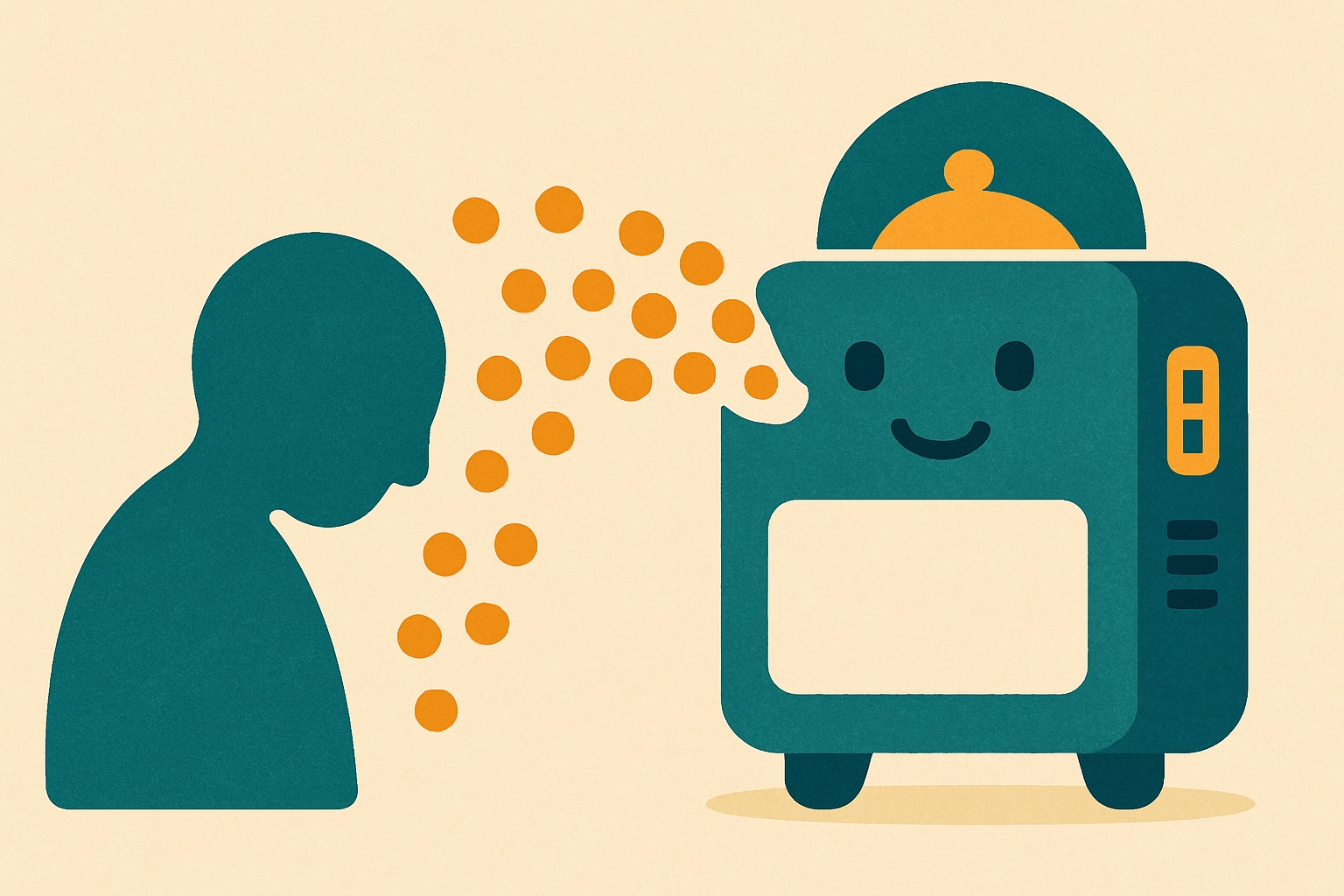
How AI tools use personal data: what parents need to know
Artificial intelligence tools use personal data by collecting text, voice recordings, and images to train their systems to sound and act more human. When chi
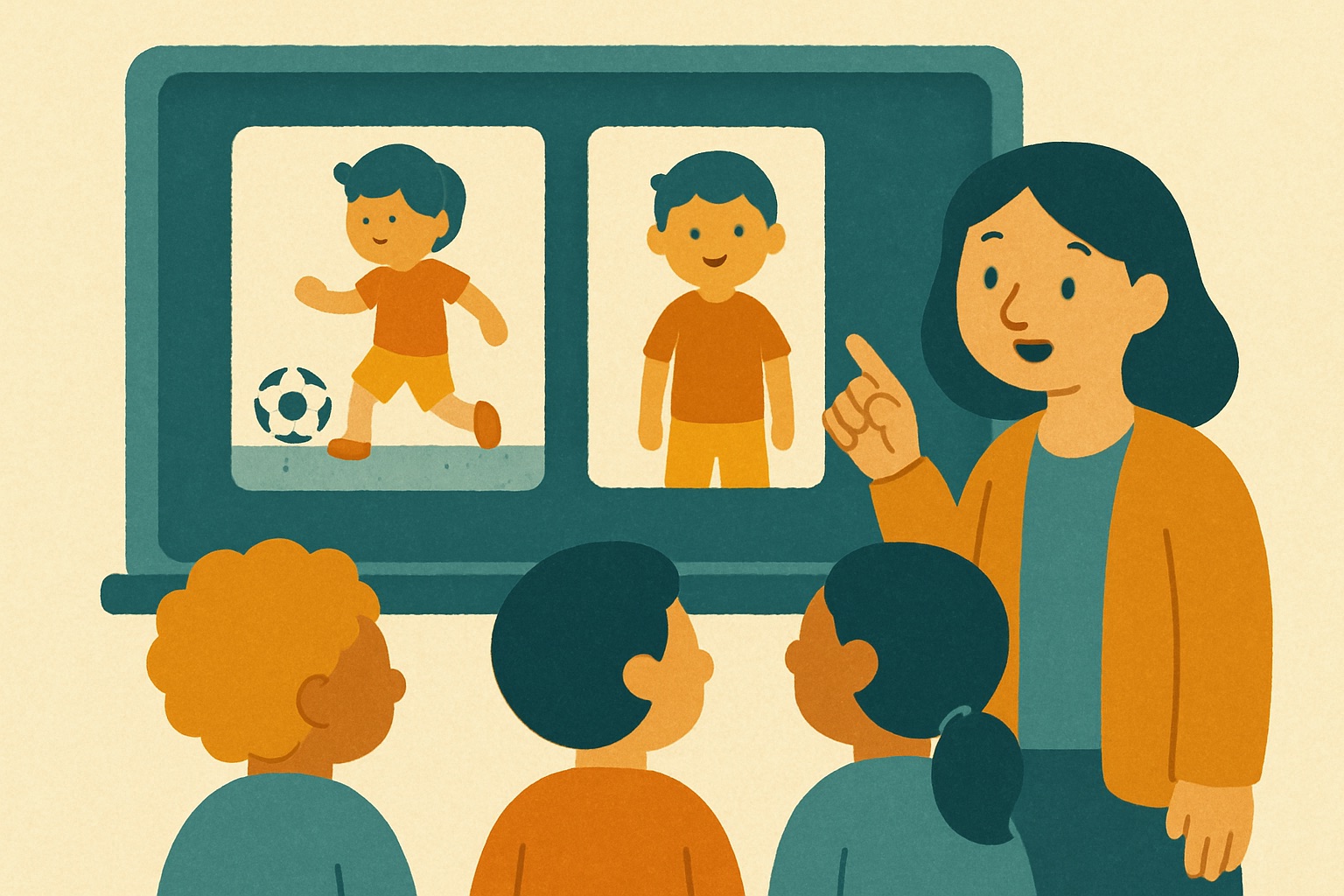
How schools are teaching children to spot fake images
Schools are teaching children to spot fake images by treating online pictures like puzzles that need solving, rather than automatically believing what they s
How to align AI safety lessons with the UK computing curriculum
You can align AI safety lessons with the UK computing curriculum by connecting the new realities of deepfakes and chatbots to existing topics like digital li

How to audit the privacy settings on your child's favourite apps
To audit your child's privacy settings, open their favourite apps together, locate the settings menu and switch their account to private so strangers cannot
How to build healthy online scepticism in children
Building healthy online scepticism in children means teaching them to pause and question what they see on screens, without making them fearful. By having cal
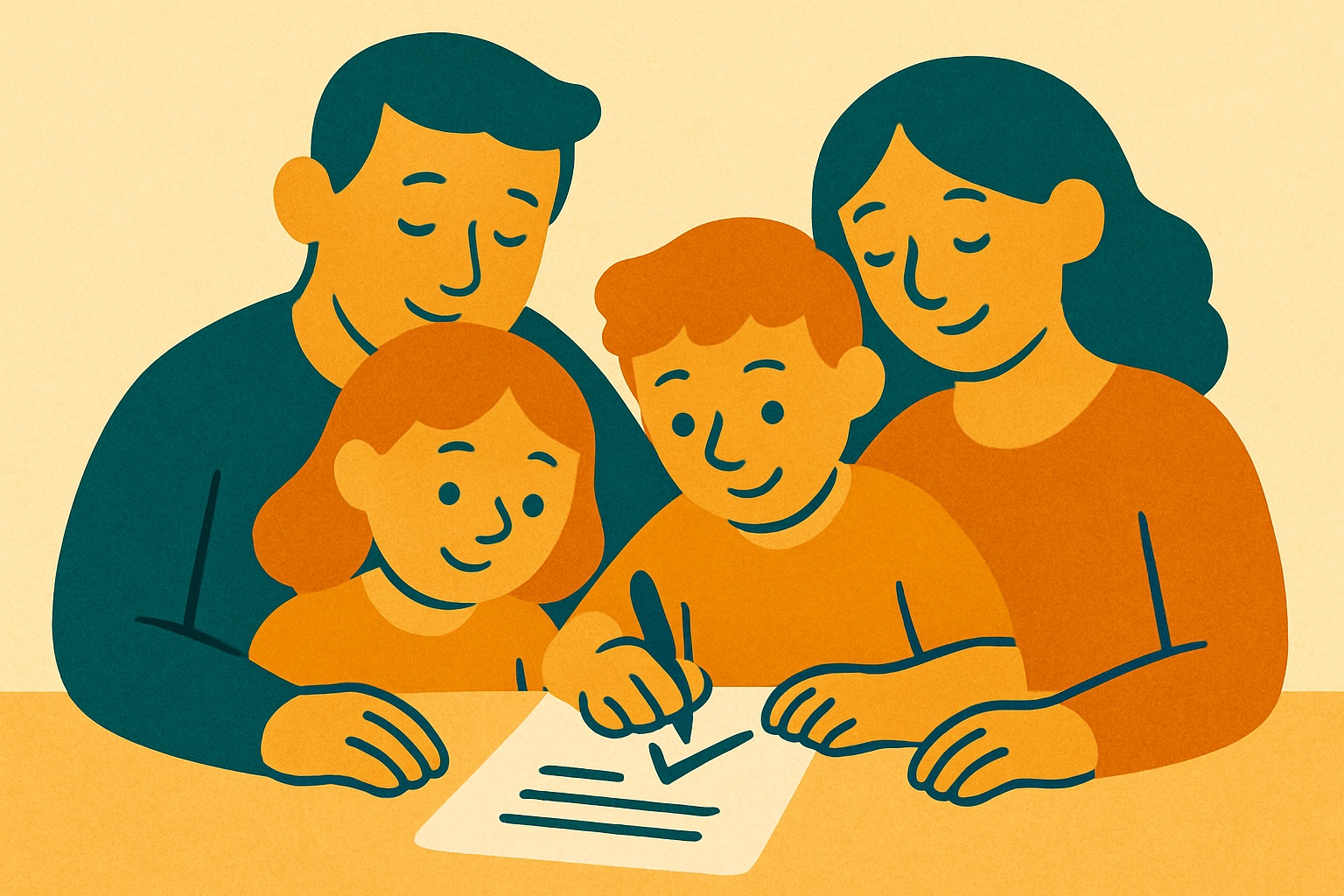
How to create a family media agreement that actually works
A family media agreement works best when it is a shared plan made together, rather than a list of strict rules handed down from adults. To create one, sit do
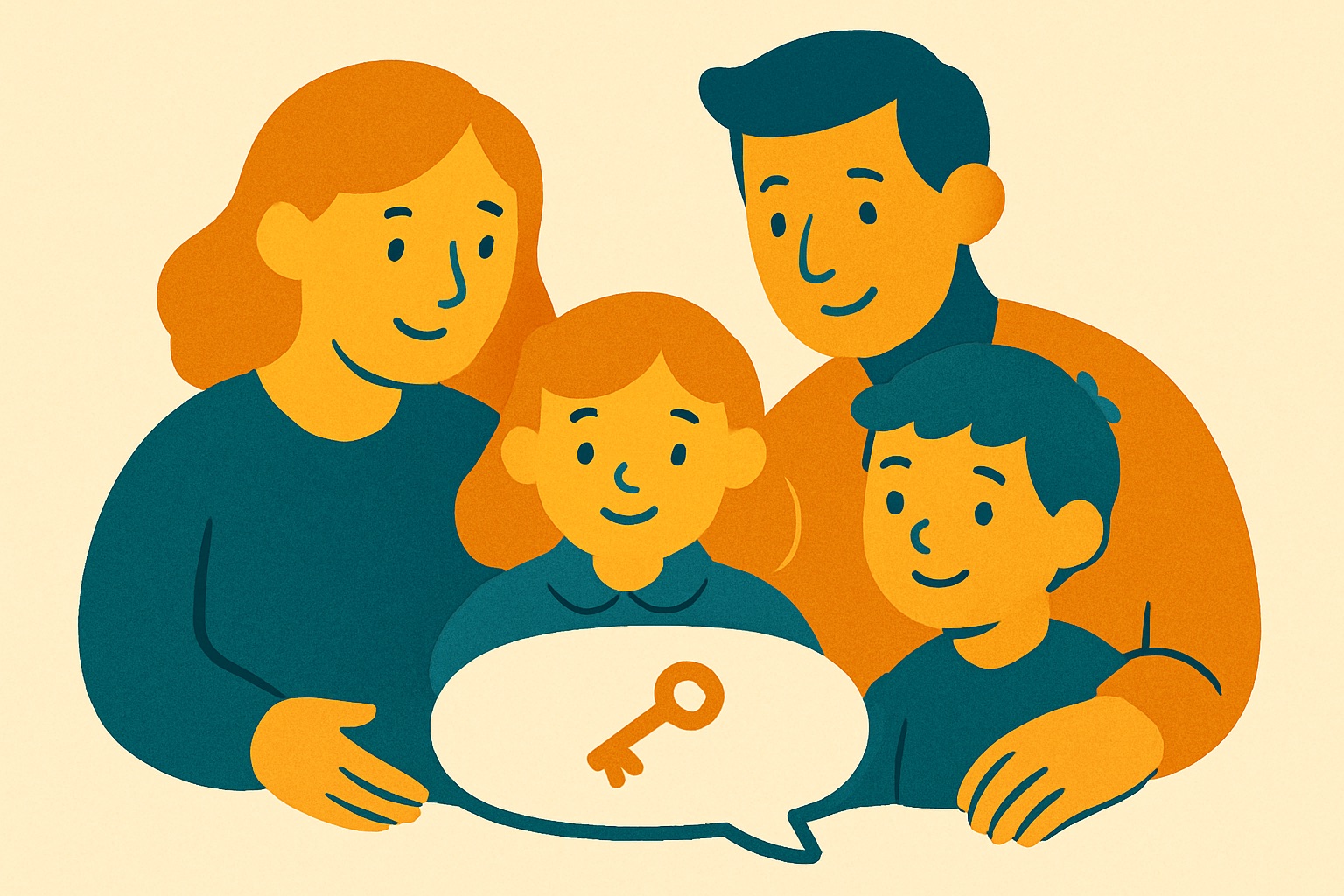
How to create a family safe word to prevent AI voice scams
To create a family safe word, choose a unique but memorable word or short phrase that only your household knows, and agree to ask for it whenever someone cal
How to encourage your child to pause and check before sharing
To encourage your child to pause and check before sharing online, help them build a gentle habit of taking a breath when a post makes them feel strong emotio

How to explain data privacy to primary school children
To explain data privacy to primary school children, compare their personal information to the keys to their front door. Tell them that their name, school, da
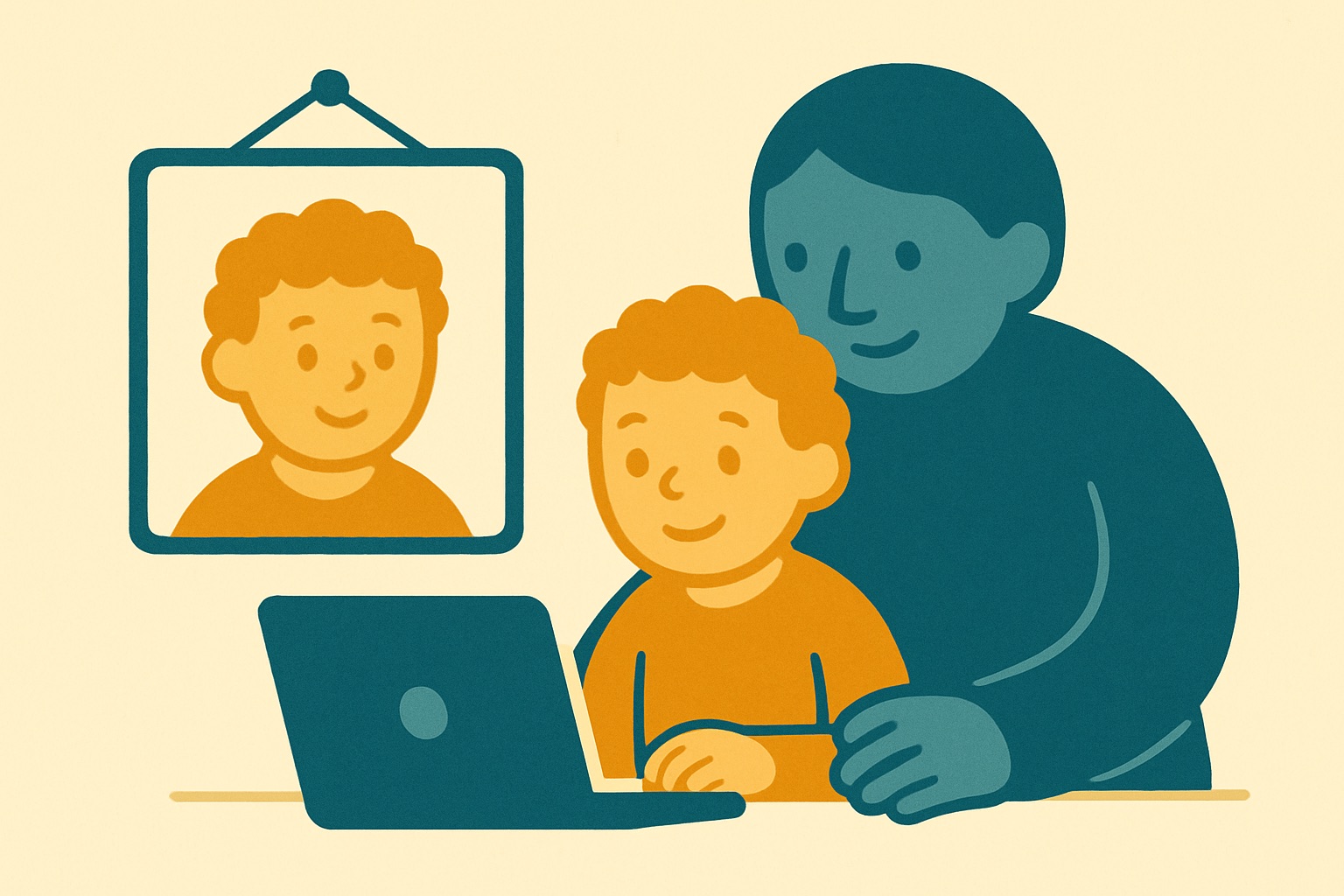
How to explain deepfakes to a seven-year-old child
To explain deepfakes to a seven-year-old child, tell them that computers can now play pretend just like we do, creating videos or pictures of people doing th
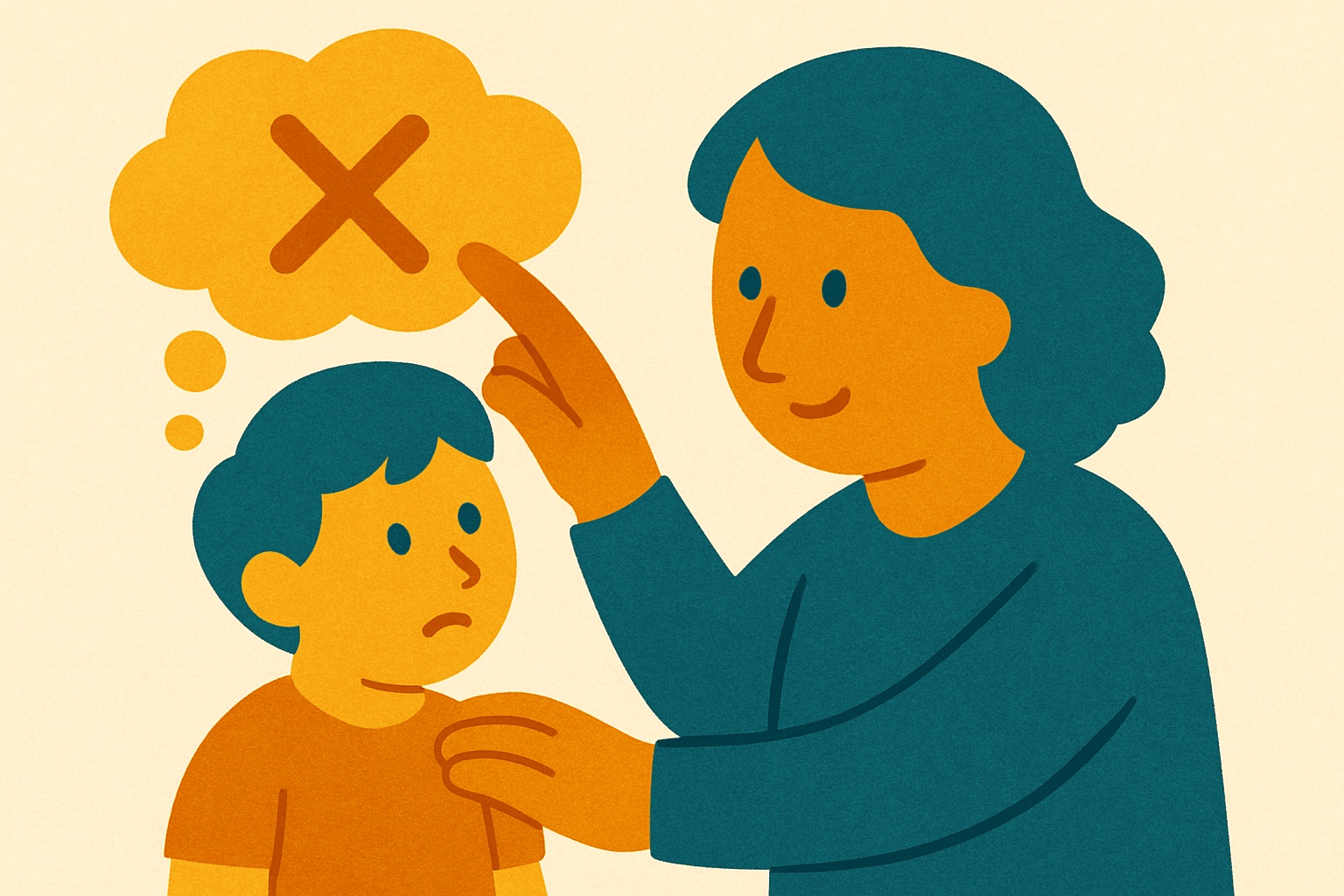
How to handle it when your child believes false information online
When your child believes false information online, stay calm and listen without judgement rather than rushing to correct them immediately. Ask gentle questio
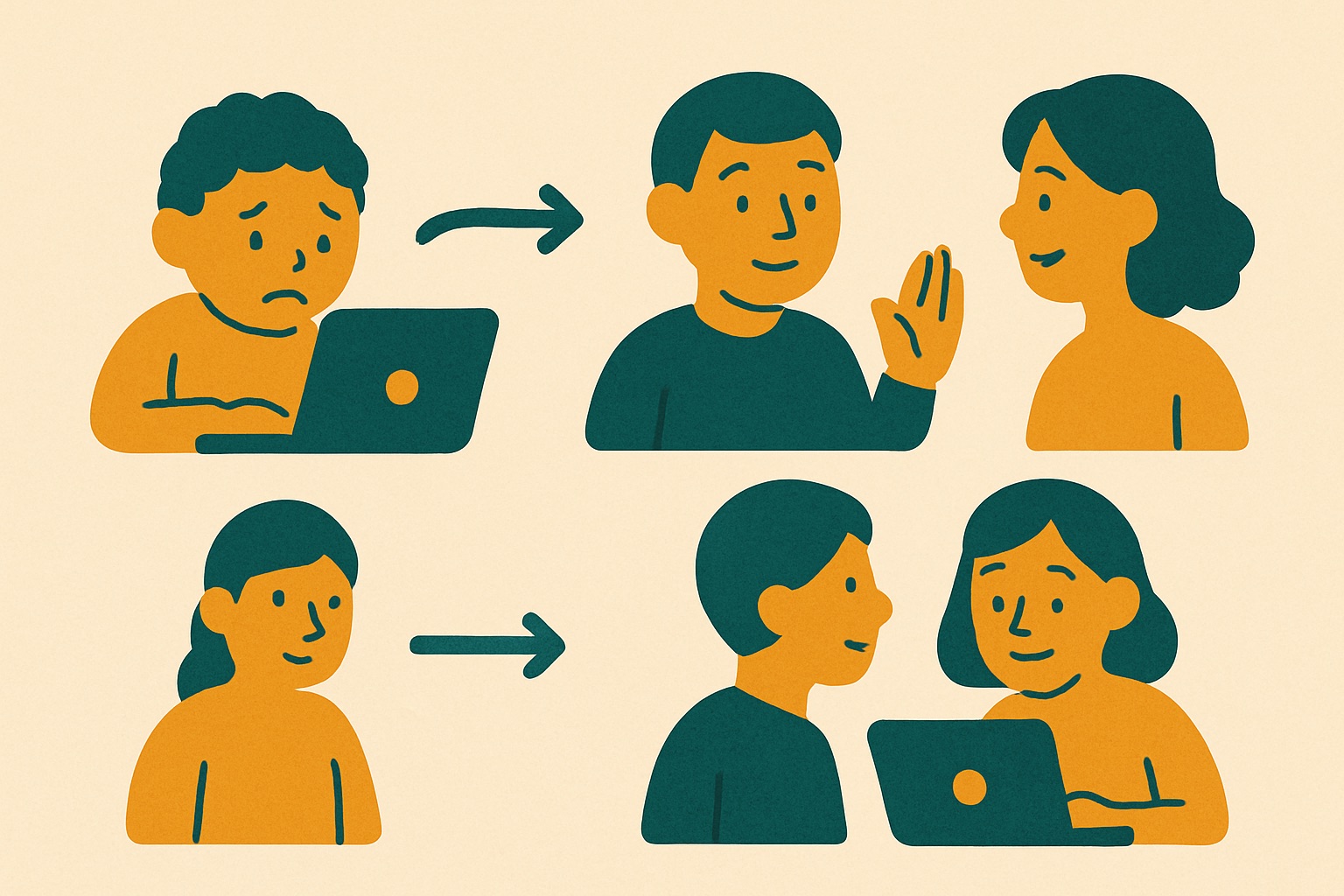
How to handle online safety incidents during the school day
When an online safety incident happens during the school day, the most effective response is to stay calm, secure the child's device, and listen without judg
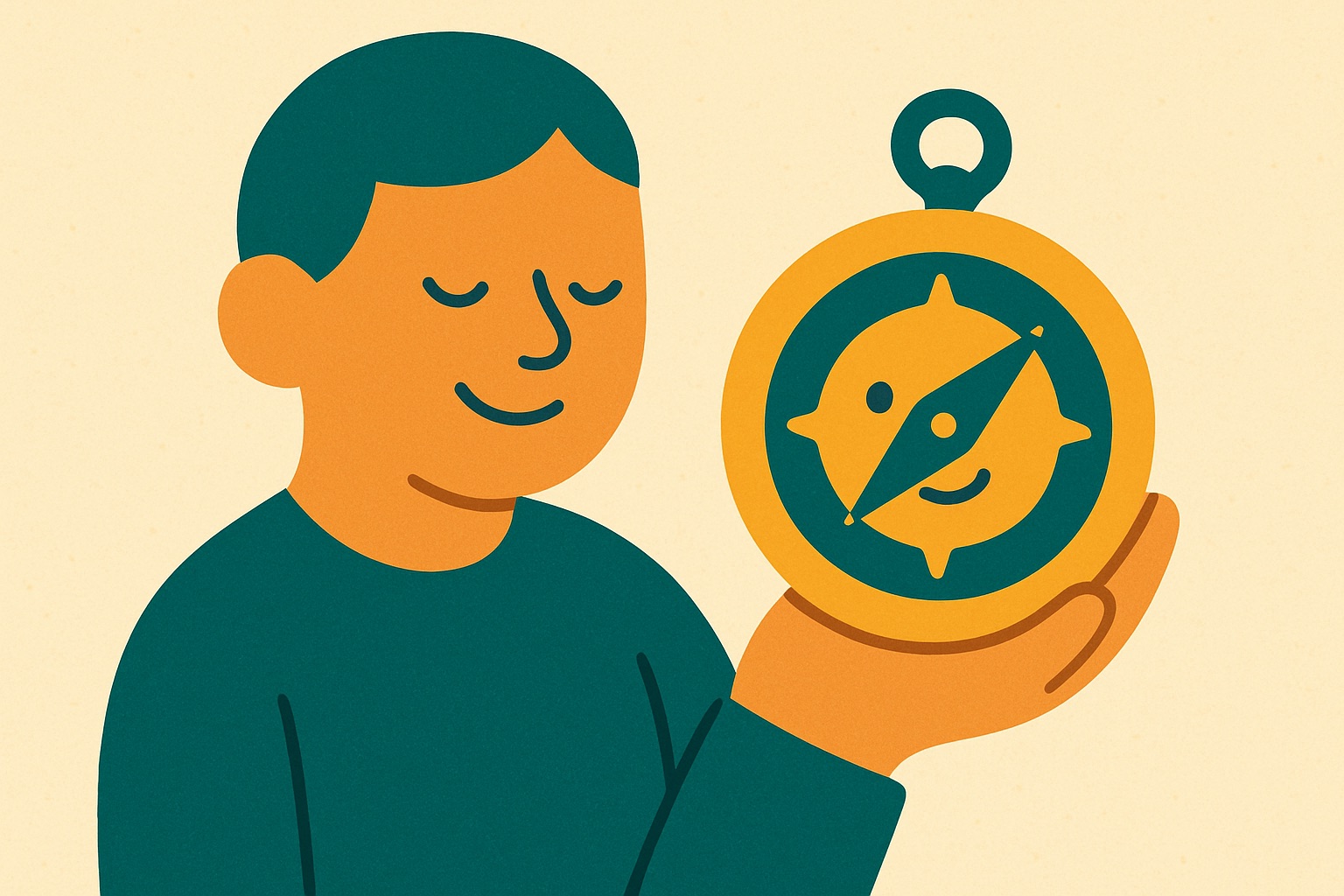
How to keep up with new technology trends as a busy parent
You do not need to understand every new app or artificial intelligence tool to keep your children safe online. The best way to keep up with technology trends
How to protect your child's voice recordings online
To protect your child's voice recordings online, you should set their gaming and social media profiles to private and turn off voice chat with strangers. It
How to report a suspected AI voice scam in the UK
If you suspect an AI voice scam, hang up the phone immediately and report the call to Action Fraud on 0300 123 2040 or via their website. You should also for

How to run an engaging assembly on spotting online deception
To run an engaging assembly on spotting online deception, start with a calm, interactive game that shows children how easily our eyes and ears can be tricked
How to set healthy screen time boundaries during the school holidays
To set healthy screen time boundaries during the school holidays, start by creating a predictable daily routine together with your child, balancing digital p
How to set up safe messaging rules for your child's first phone
To set up safe messaging rules for your child's first phone, sit down together to agree on a short list of clear boundaries about who they can talk to and wh
How to start a conversation about online safety without lecturing
The best way to start a conversation about online safety is to use everyday moments rather than sitting down for a formal talk. Ask your child to show you ho
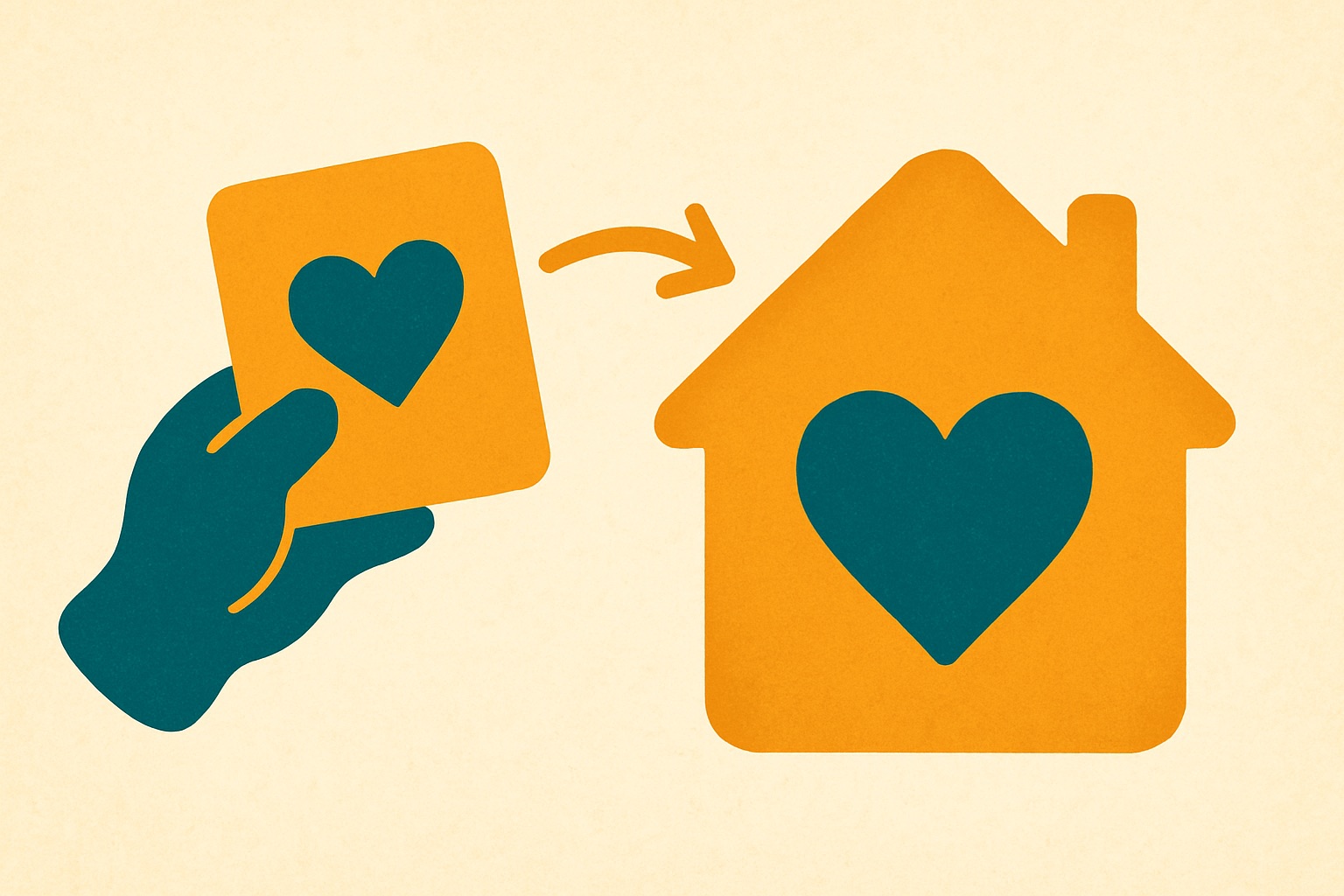
How to support parents with online safety at home
To support parents with online safety at home, schools and communities should provide clear, practical conversation starters rather than overwhelming technic
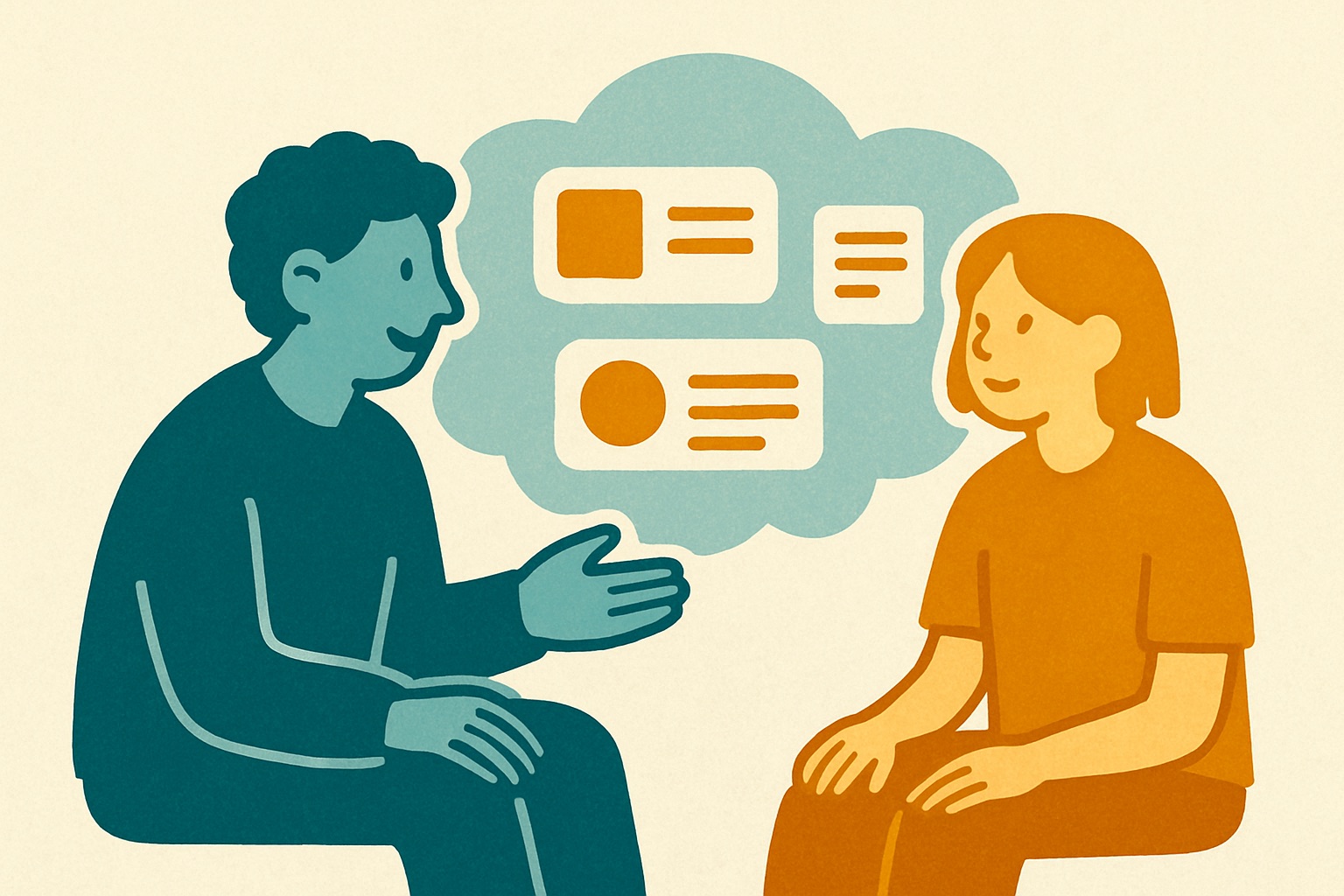
How to talk about oversharing without scaring your teenager
The best way to talk to your teenager about oversharing is to approach the subject with genuine curiosity rather than criticism, focusing on how their inform
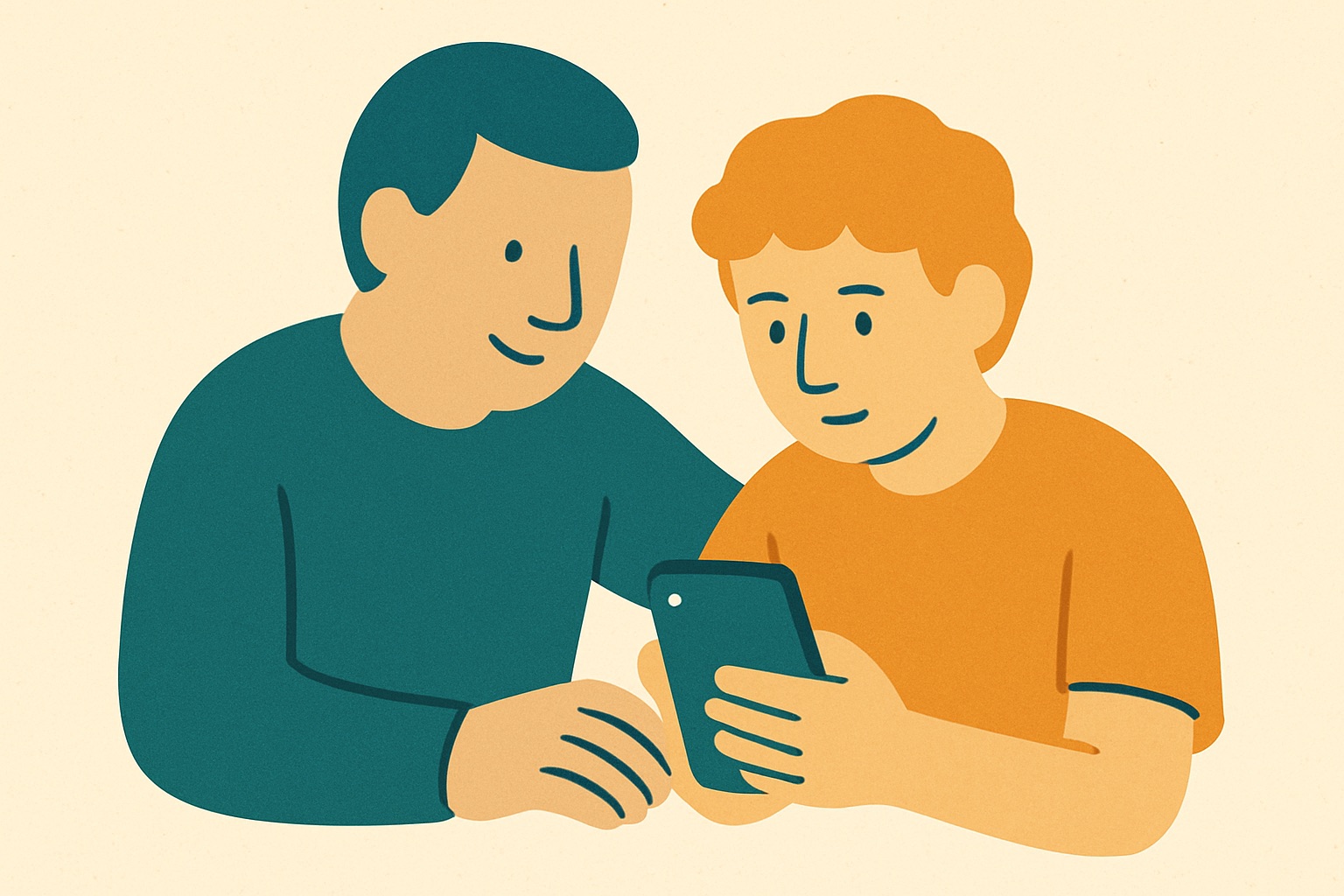
How to talk to your teenager about fake photos online
To talk to your teenager about fake photos online, start a casual conversation about something you have both seen on social media rather than delivering a st
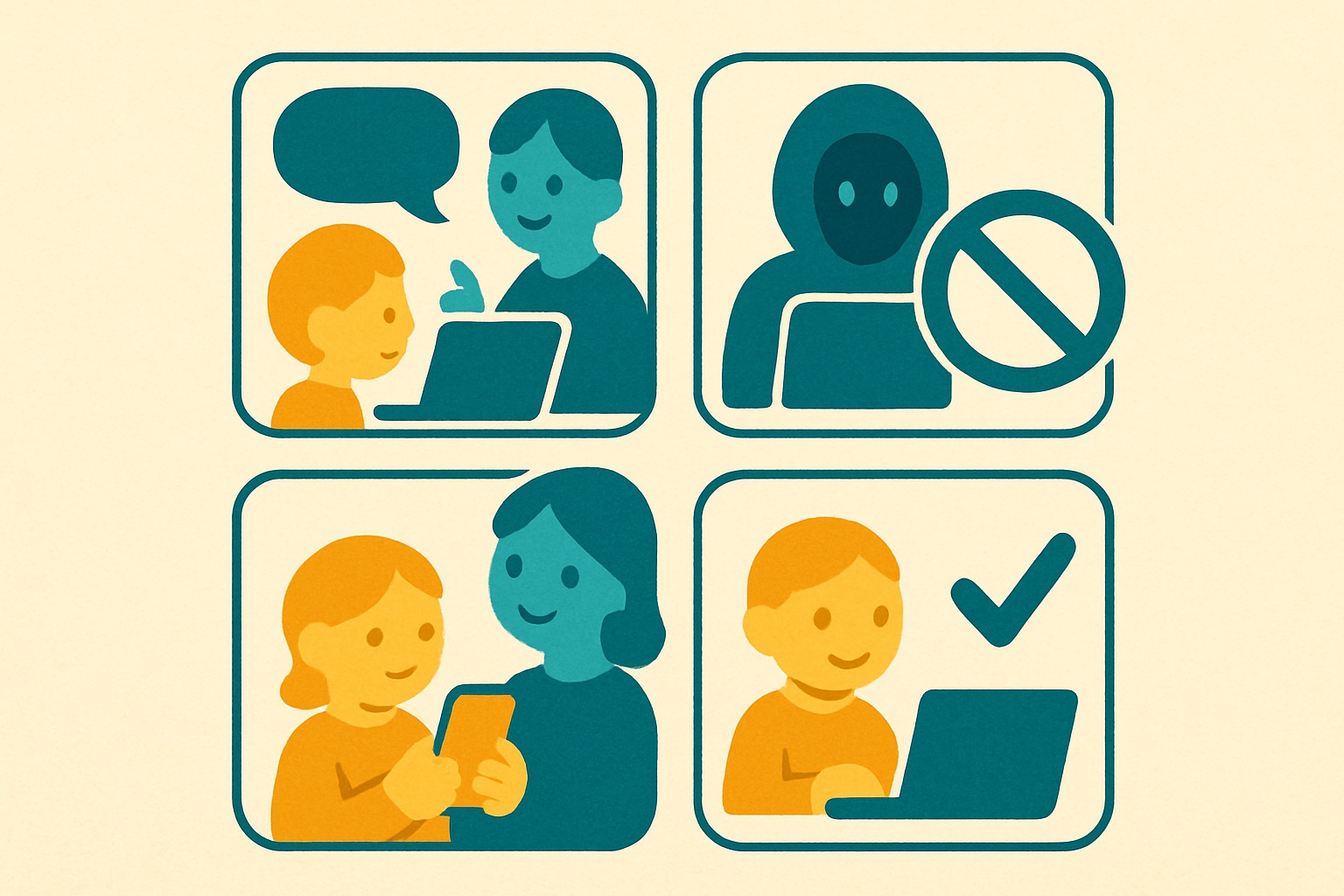
How to teach primary school children about online stranger danger
Teach primary school children about online stranger danger by keeping conversations calm, comparing digital safety to crossing the road, and focusing on simp

How to use detective stories to teach critical thinking skills
You can use detective stories to teach critical thinking by encouraging children to look for clues and question motives alongside the characters. By framing
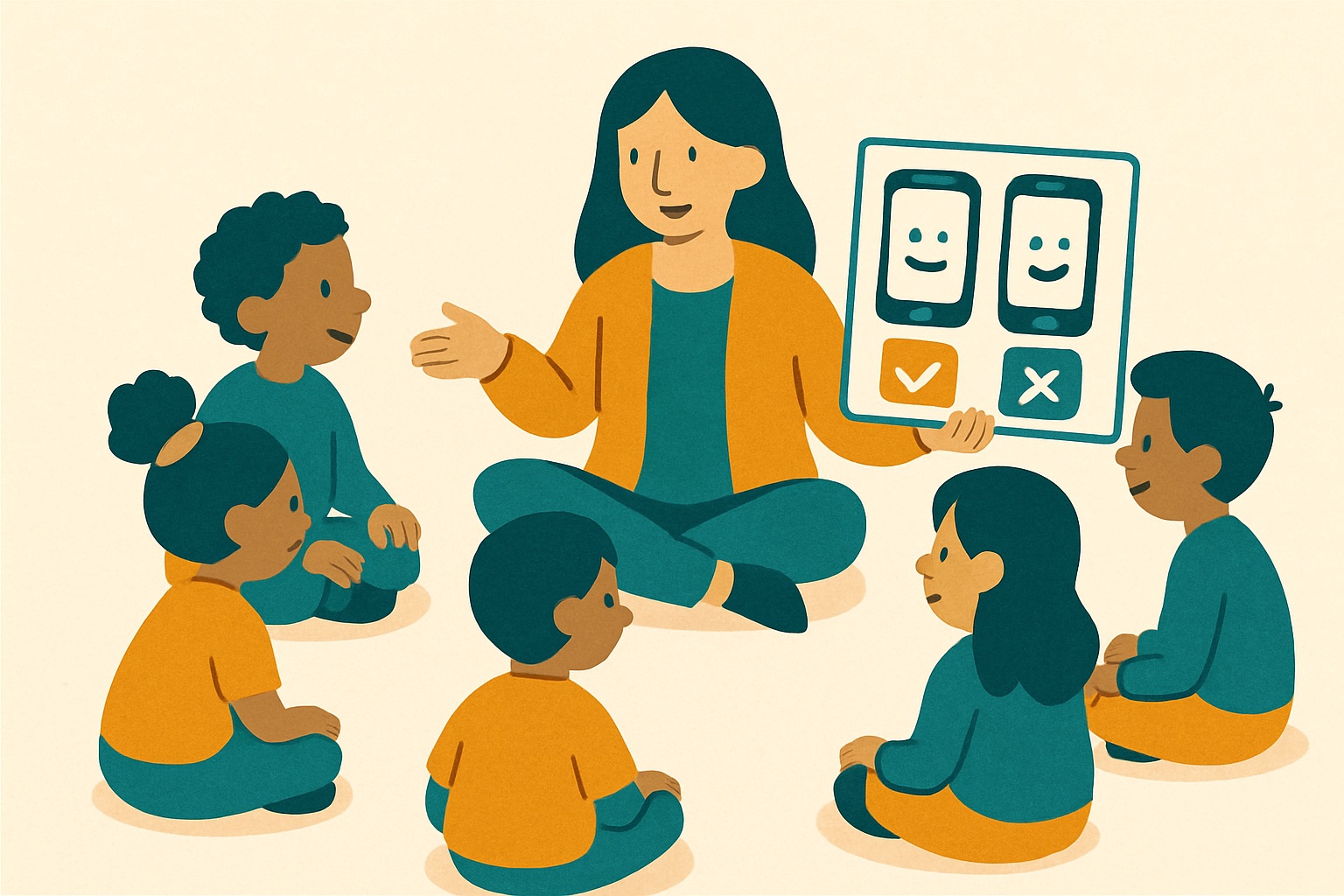
The best ways to talk about deepfakes in a PSHE lesson
The best way to talk about deepfakes in a PSHE lesson is to approach the topic calmly, comparing AI trickery to the special effects children already understa
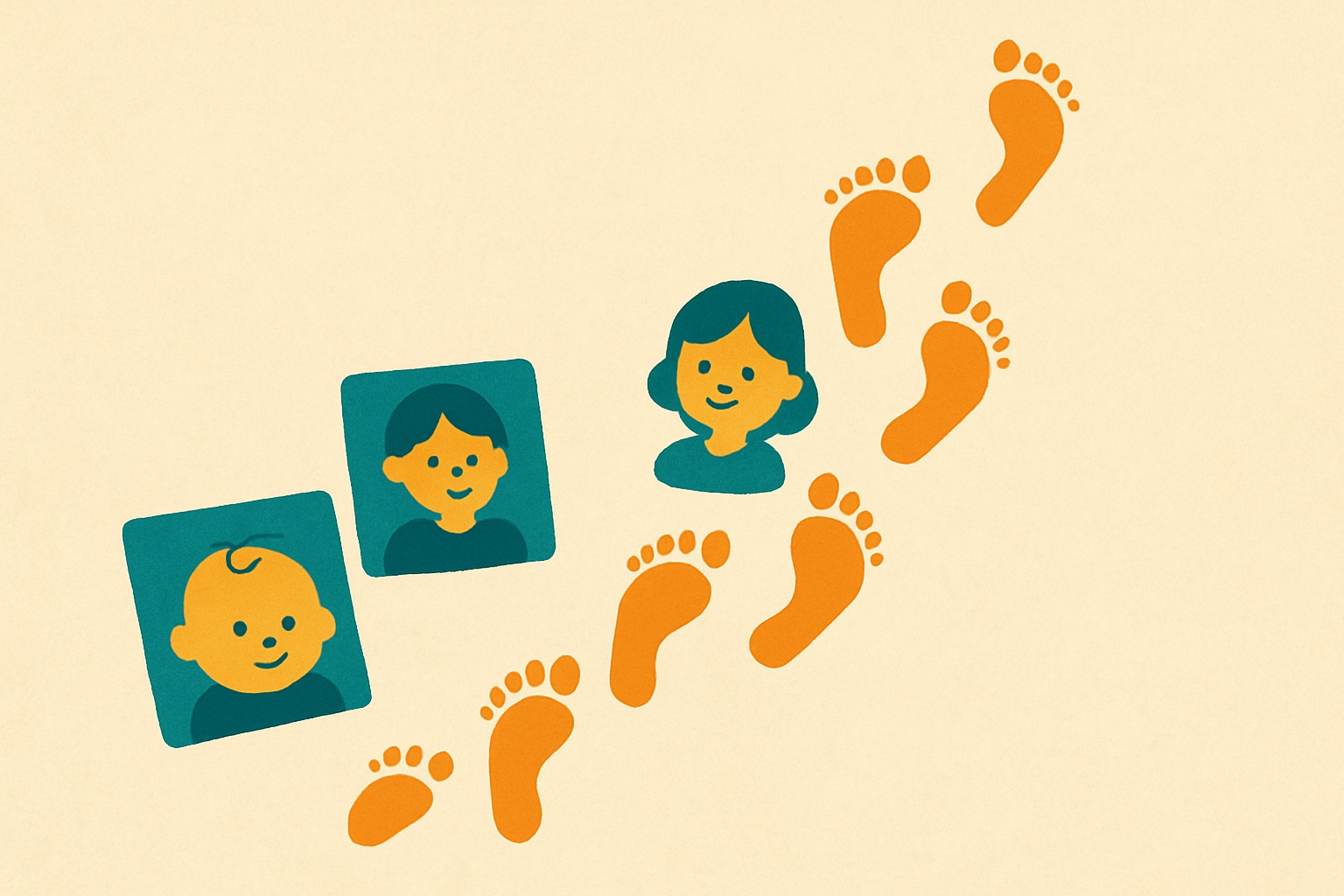
The risks of sharenting: how your child's digital footprint is used
"Sharenting" is the habit of posting photos and updates about our children online, which slowly builds a public digital footprint that strangers can copy or
What age should a child get a smartphone?
There is no single legal or perfect age for a child to get a smartphone in the UK, but most experts recommend waiting until they are at least eleven years ol
What are the most common gaming chat scams right now?
The most common gaming chat scams right now involve fake friends offering free in-game currency, scammers pretending to be game administrators asking for pas
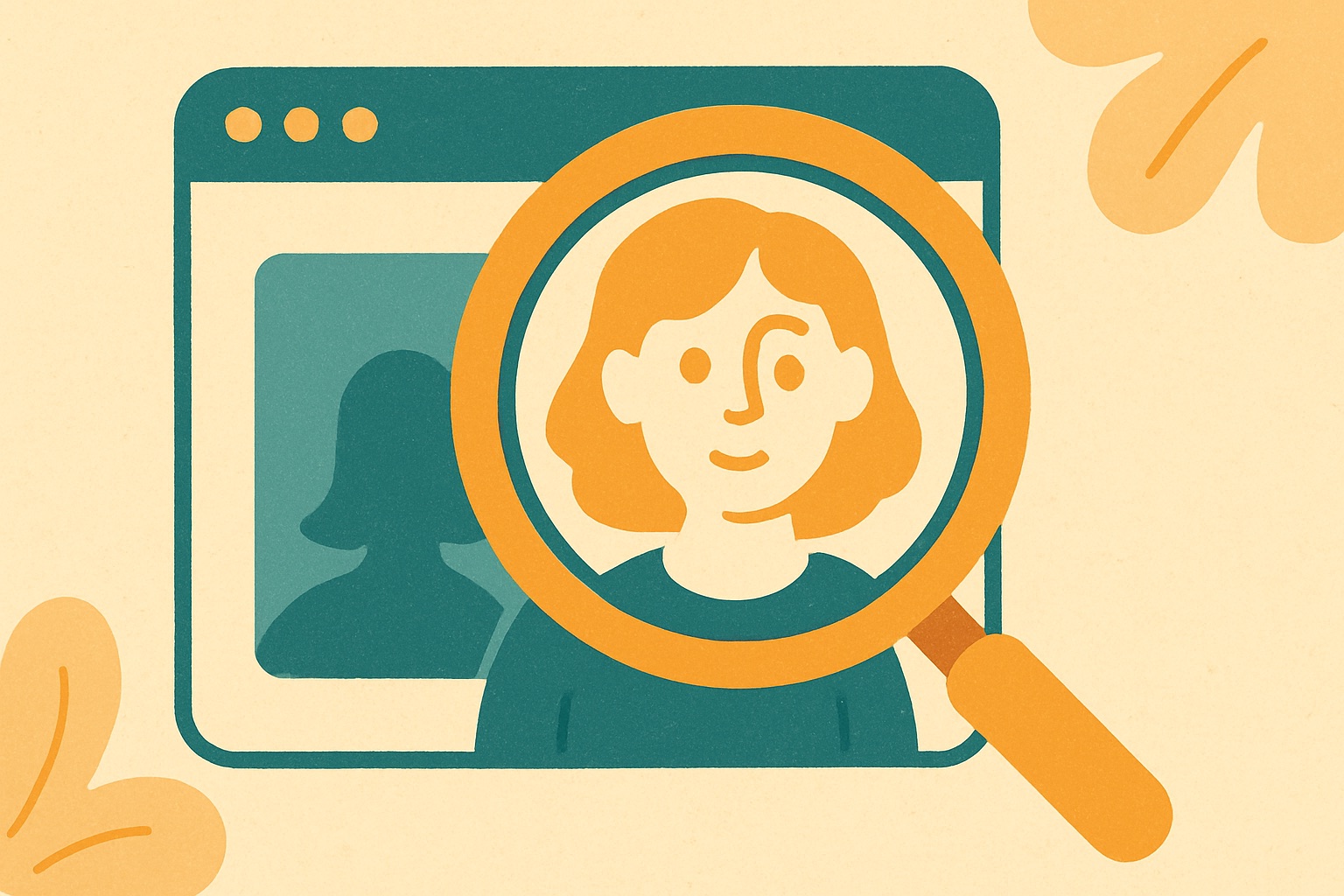
What are the telltale signs of an AI-generated image?
The telltale signs of an AI-generated image include distorted hands with too many fingers, garbled background text that looks like nonsense letters, and stra
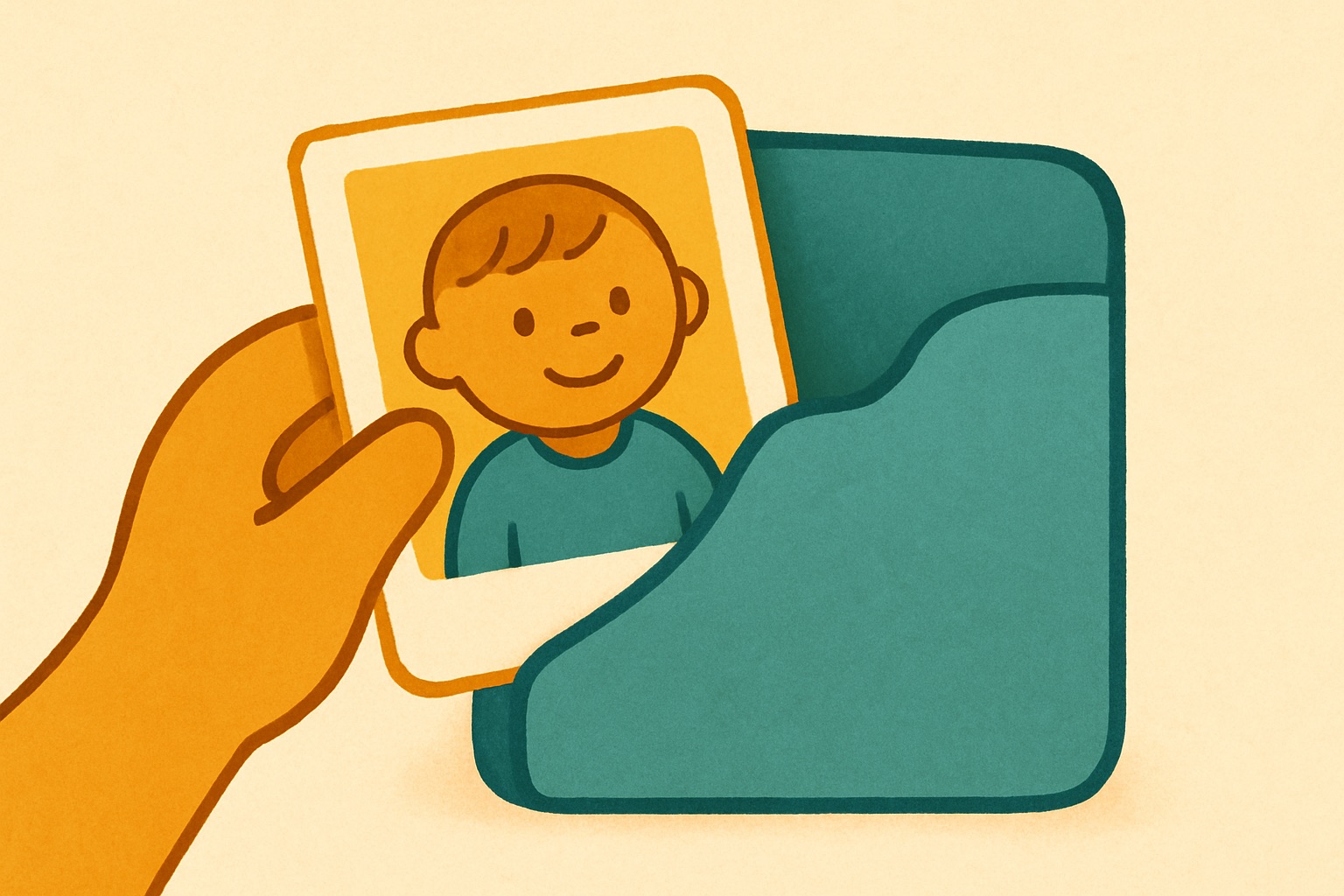
What happens to the photos you share of your kids online?
When you share a photo of your child online, it leaves your private device and is stored on a company's servers, where it can sometimes be viewed, copied or
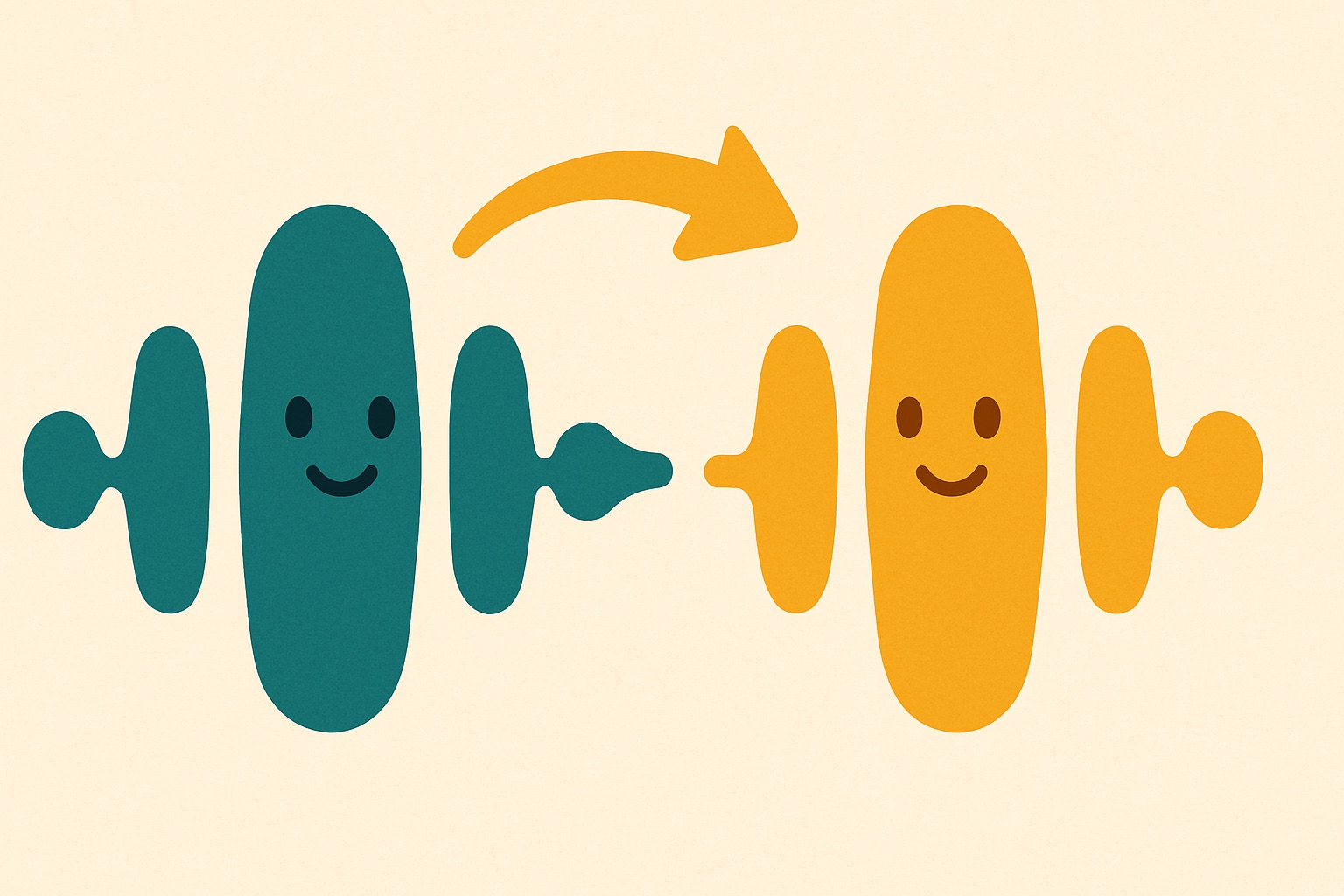
What is voice cloning and how are scammers using it?
Voice cloning is a type of artificial intelligence that listens to a short recording of someone speaking and learns to copy their exact voice. Scammers use t

What questions should children ask when reading news online?
When children read news online, they should ask who wrote the story, how it makes them feel, and whether they can find the same information on a trusted webs

What the Online Safety Act means for school safeguarding policies
The Online Safety Act means schools must now update their safeguarding policies to protect children from new digital threats like artificial intelligence, de
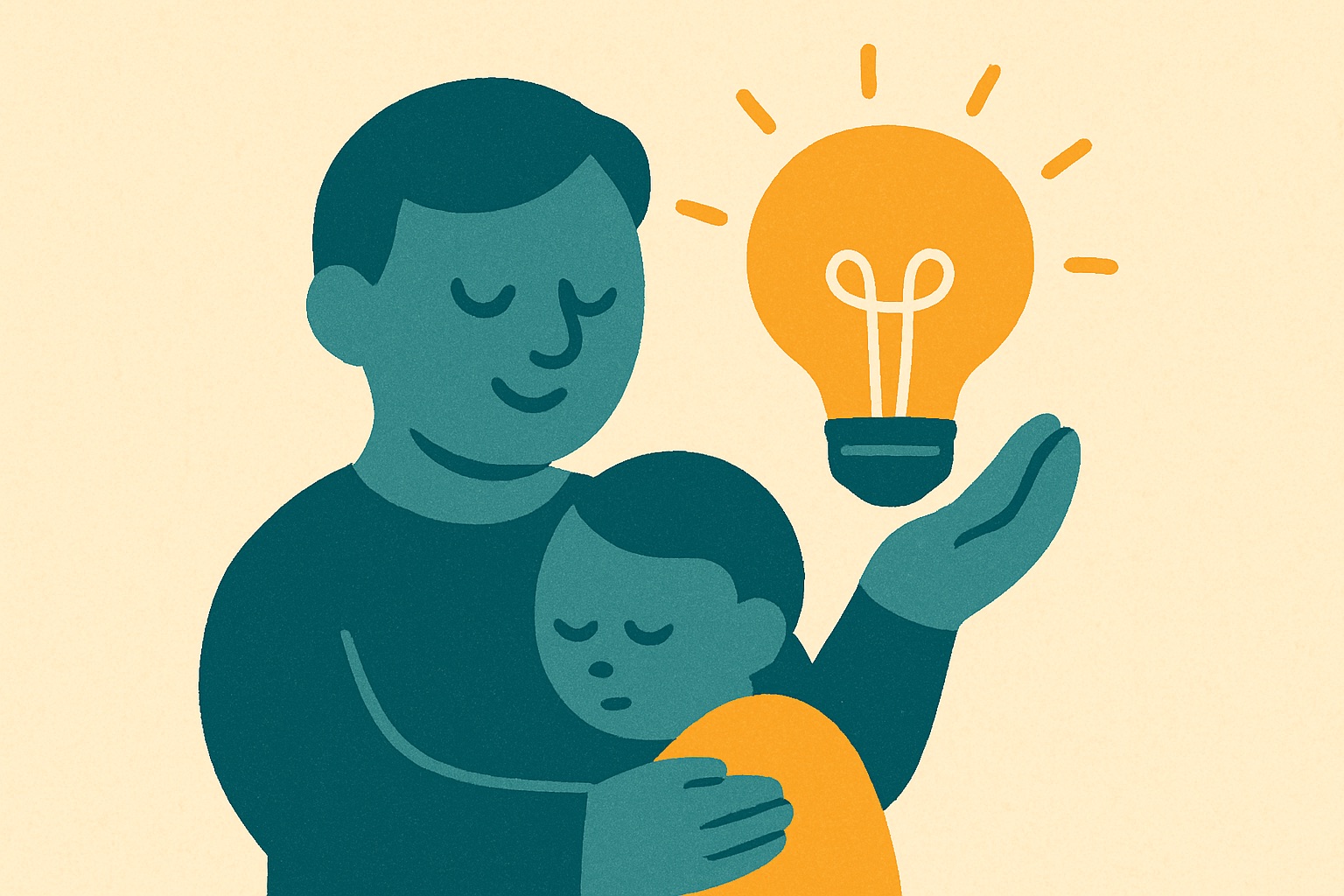
What to do if you feel overwhelmed by AI technology
If you feel overwhelmed by AI technology, the best approach is to pause, focus on the basics of online trust, and remember that you do not need to be a compu
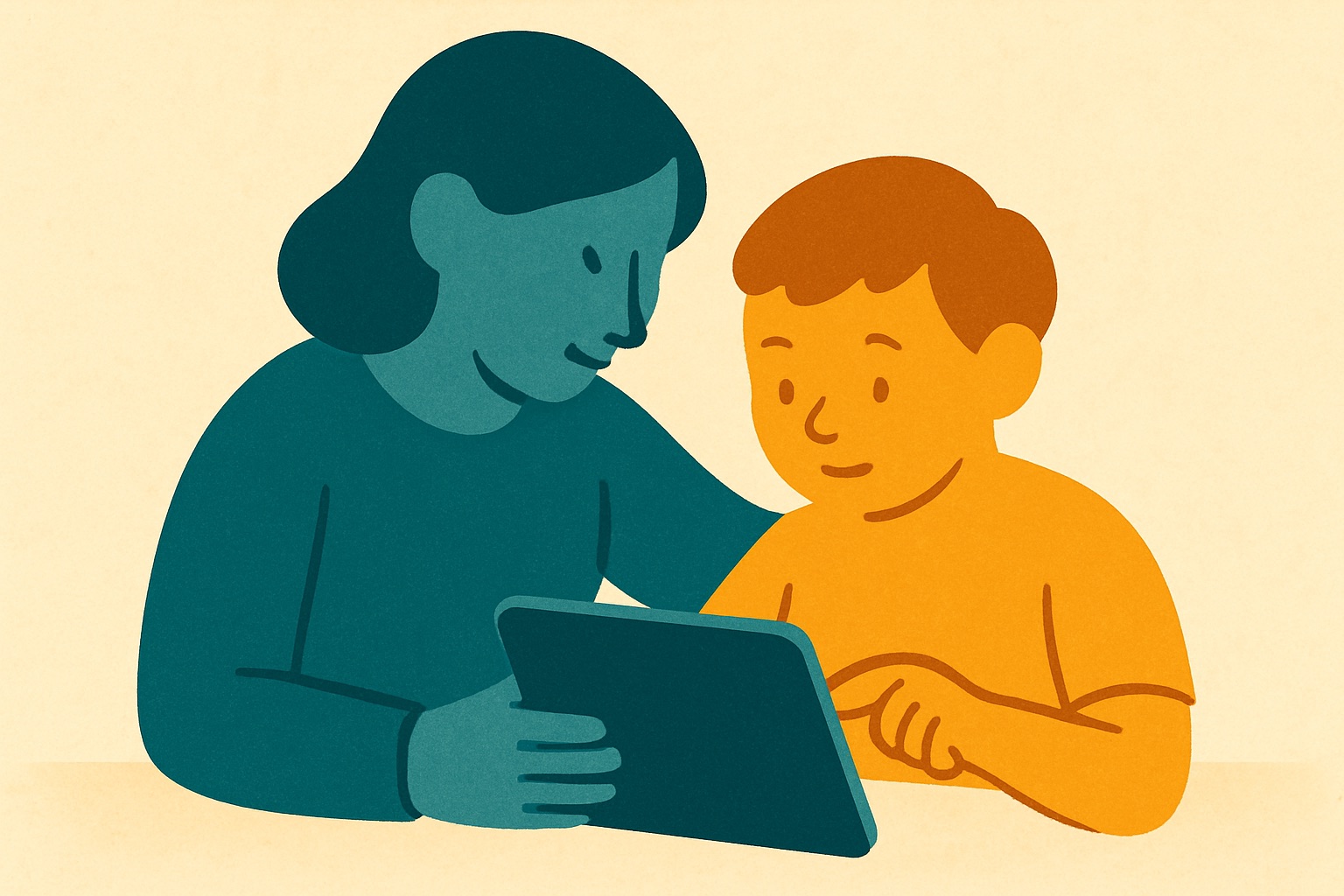
What to do if your child clicks a scam link in a text message
If your child clicks a scam link in a text message, the first step is to disconnect their device from the internet by turning on flight mode and closing the
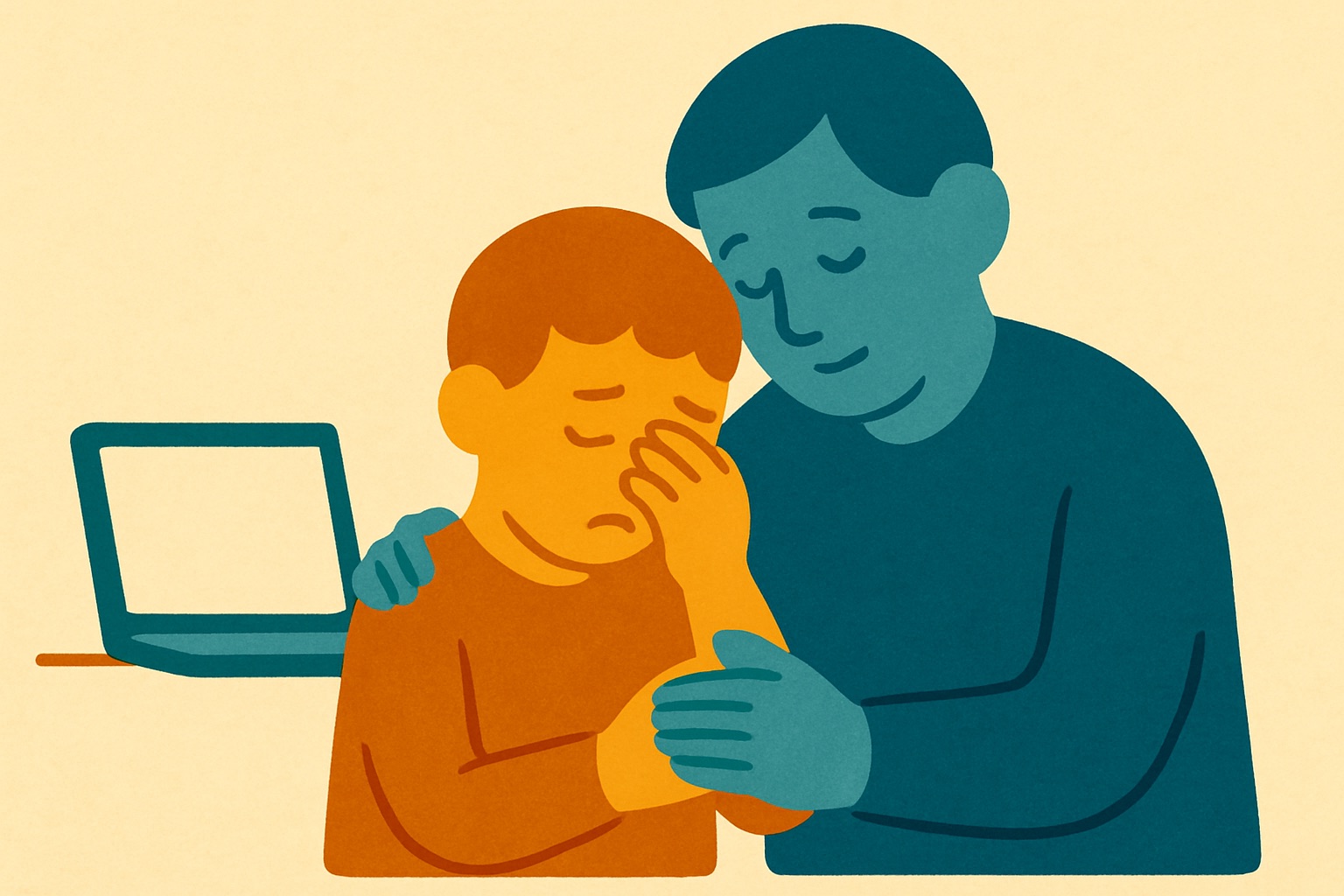
What to do if your child sees a scary AI-generated video
If your child sees a frightening AI-generated video, the best approach is to stay calm, listen to their worries without dismissing them, and explain that the
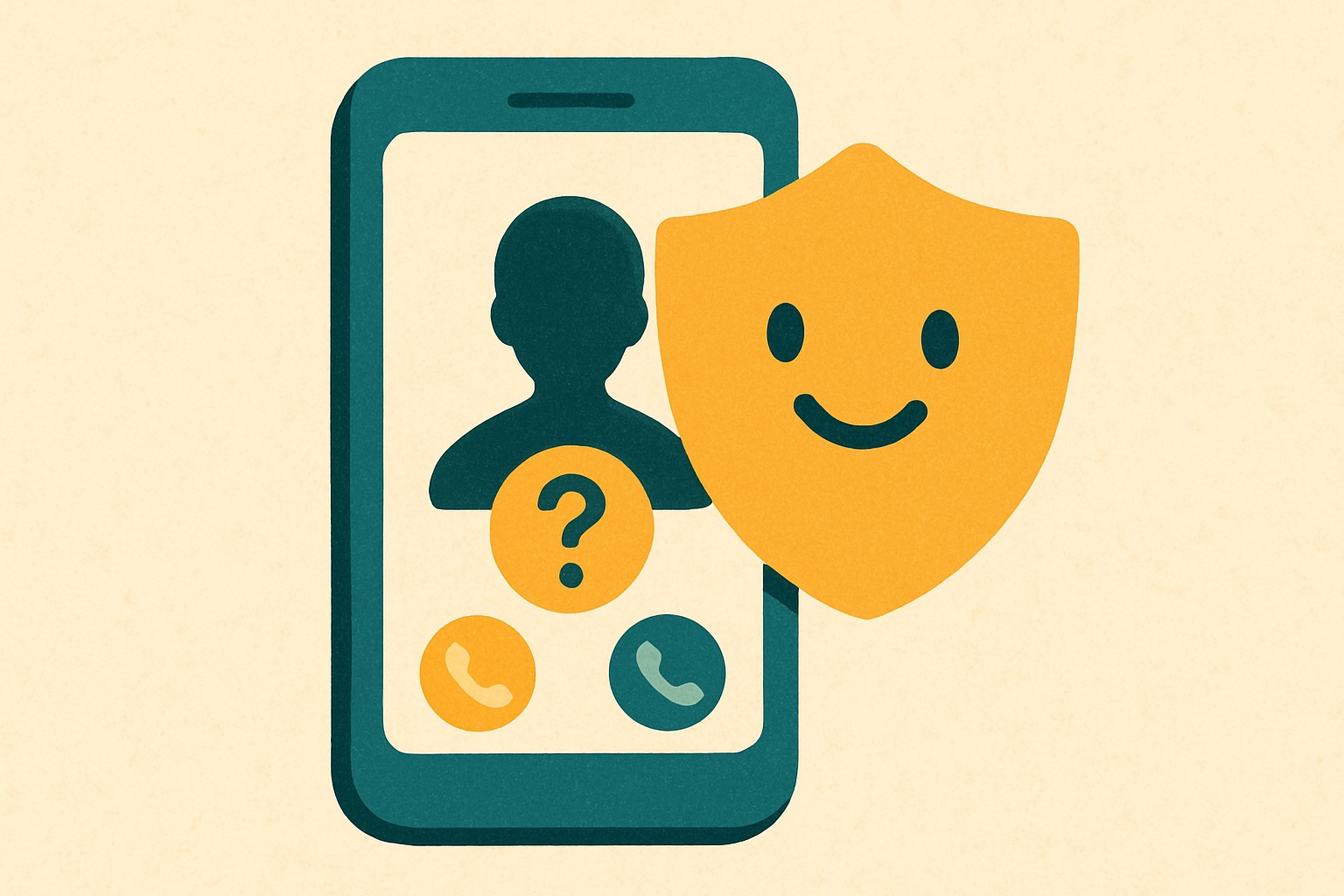
What to teach your children about unknown callers in the AI era
Teach your children that if they do not recognise the number calling their phone, they should let it go to voicemail and check with an adult first. If they d
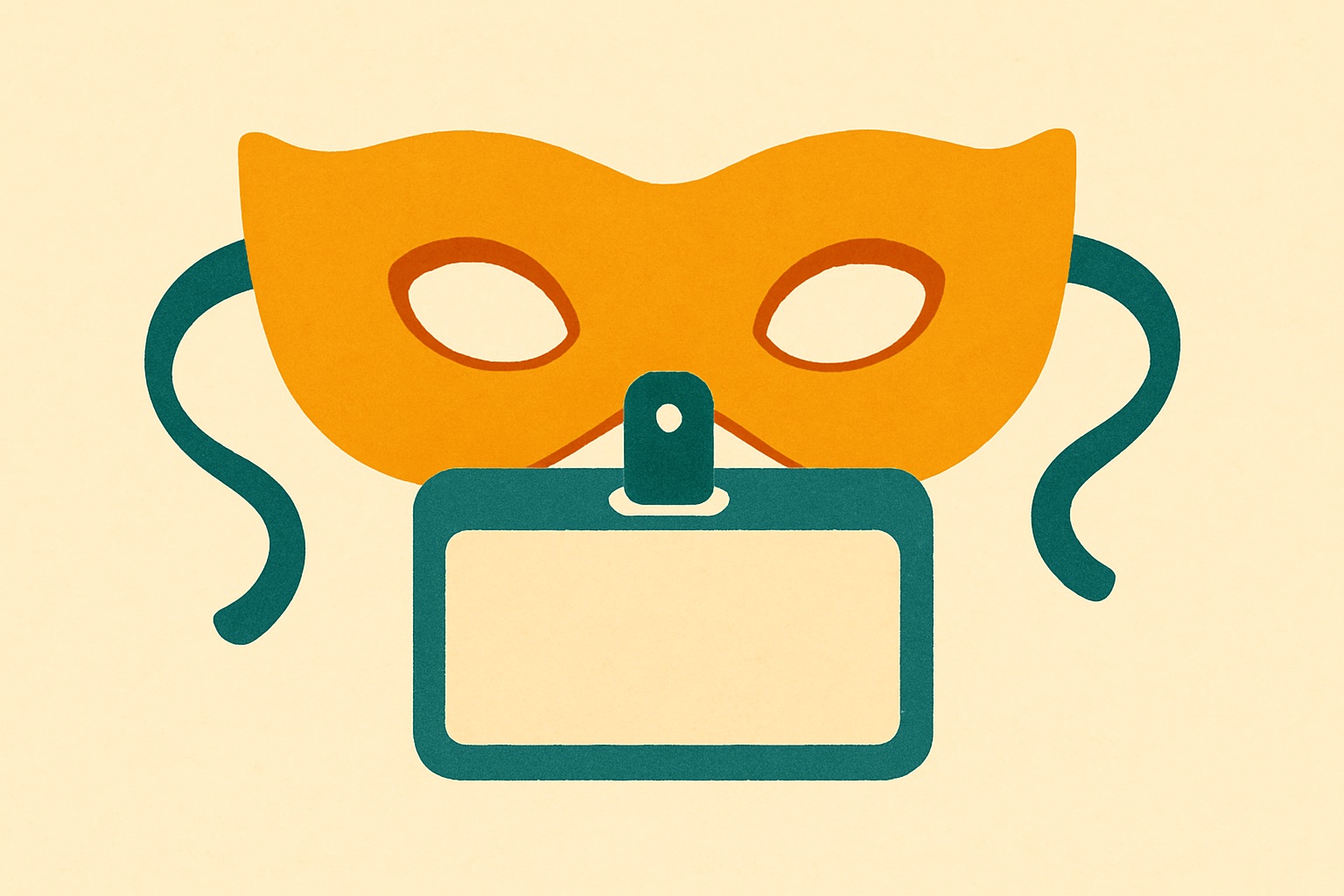
Why children should not share their real names in online games
Sharing a real name in an online game gives strangers a starting point to find out a child's location, school or social media profiles. Keeping real names pr
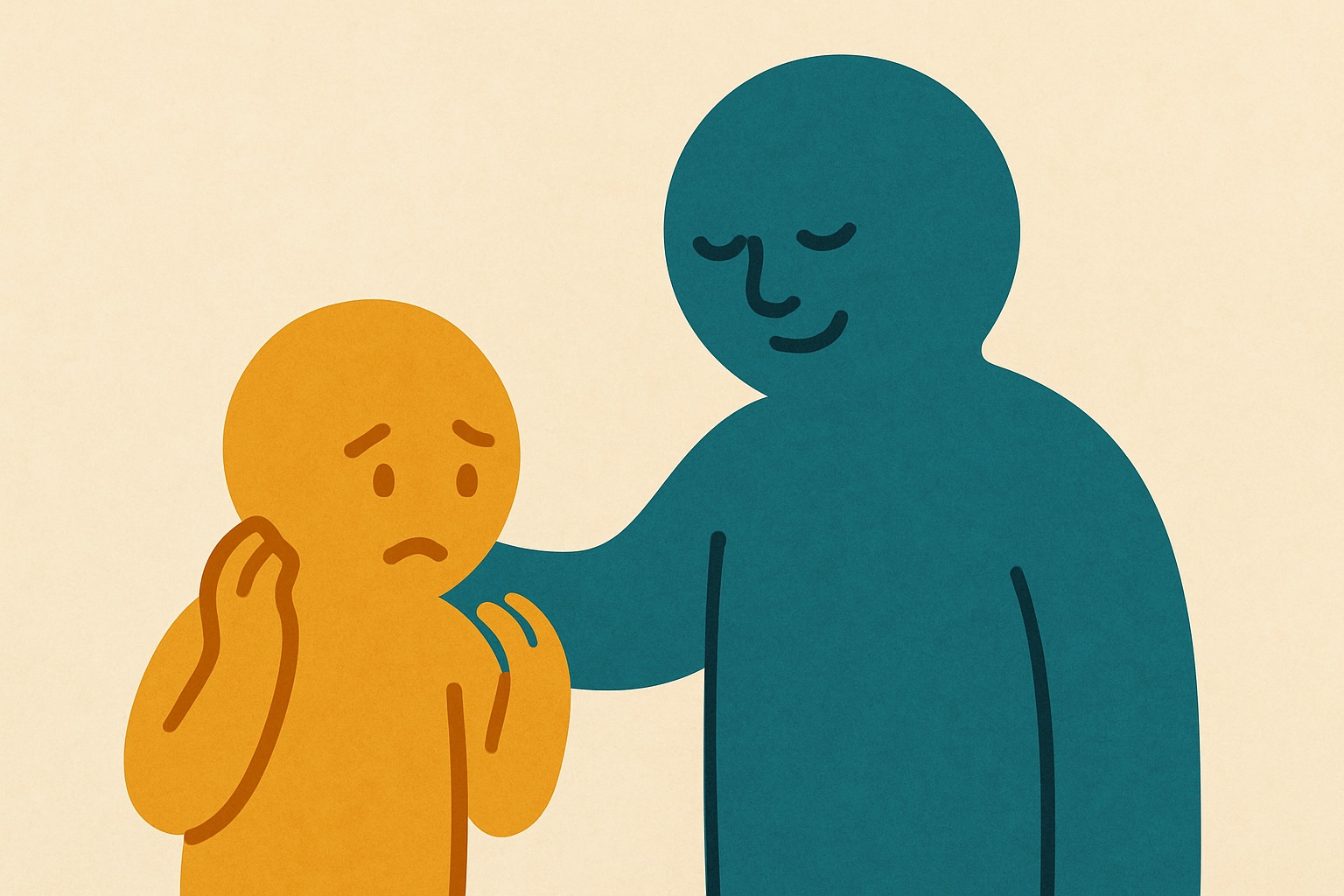
Why fear tactics do not work for online safety education
Fear tactics do not work for online safety education because they cause children to hide their mistakes rather than ask for help. When we use scare stories a

Why spelling mistakes are no longer the best way to spot a scam
Spelling mistakes are no longer a reliable way to spot a scam because criminals now use artificial intelligence to write perfectly polished messages. Instead
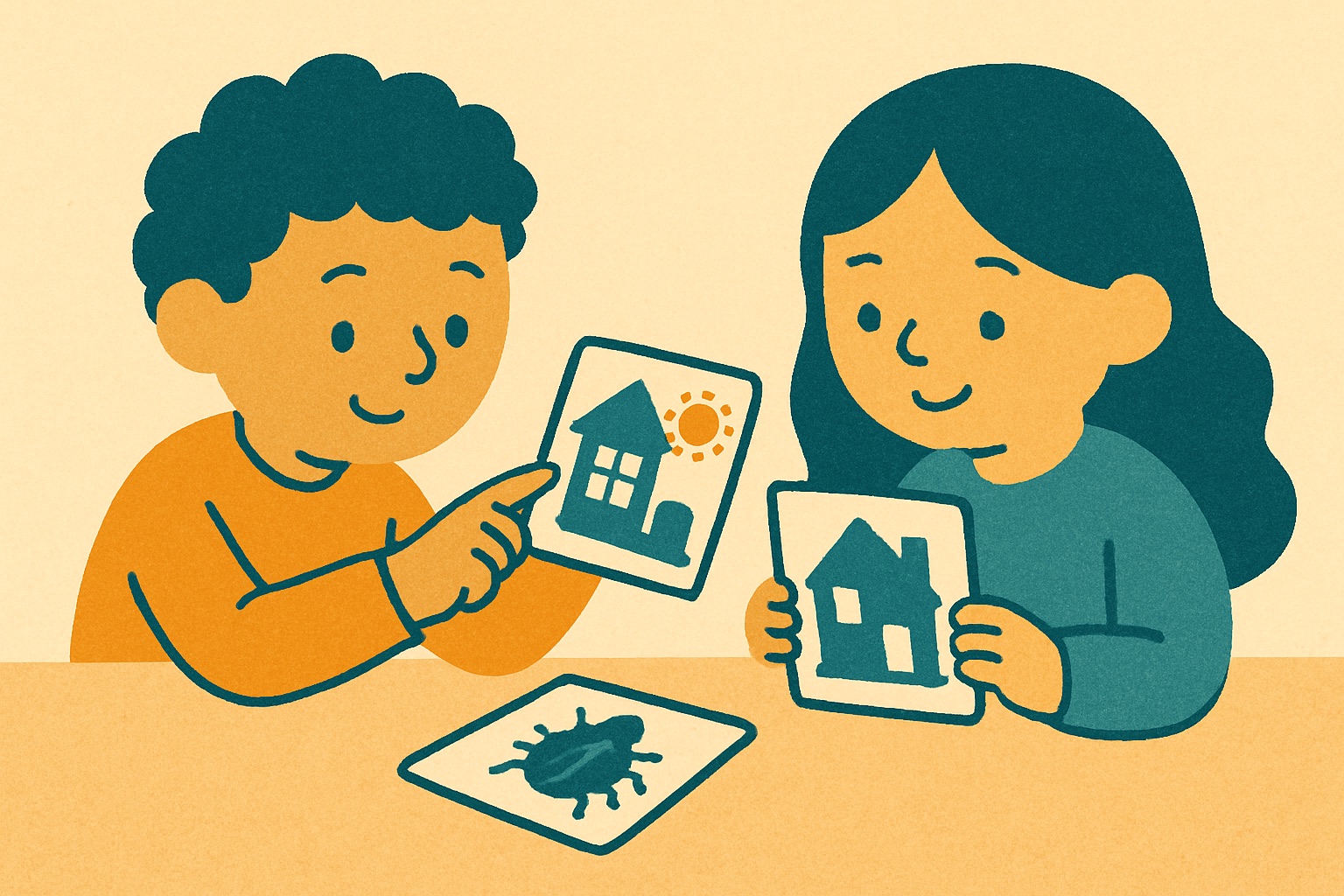
Why we need to teach media literacy from Key Stage 1
We need to teach media literacy from Key Stage 1 because young children are already interacting with digital content, and building early habits helps them sp
Frequently asked questions
What is the The Safety Spotters Blog?
Calm, practical guidance for parents and teachers helping children stay safe from AI-enabled scams, deepfakes and online tricks.
Who writes the Safety Spotters blog?
Every article is written by Sotiris Spyrou, published by Safety Spotters.
Are the articles free to read?
Yes. Every article is free, and you can request a free review copy of the related guide at https://safetyspotters.com/free.