How to explain data privacy to primary school children
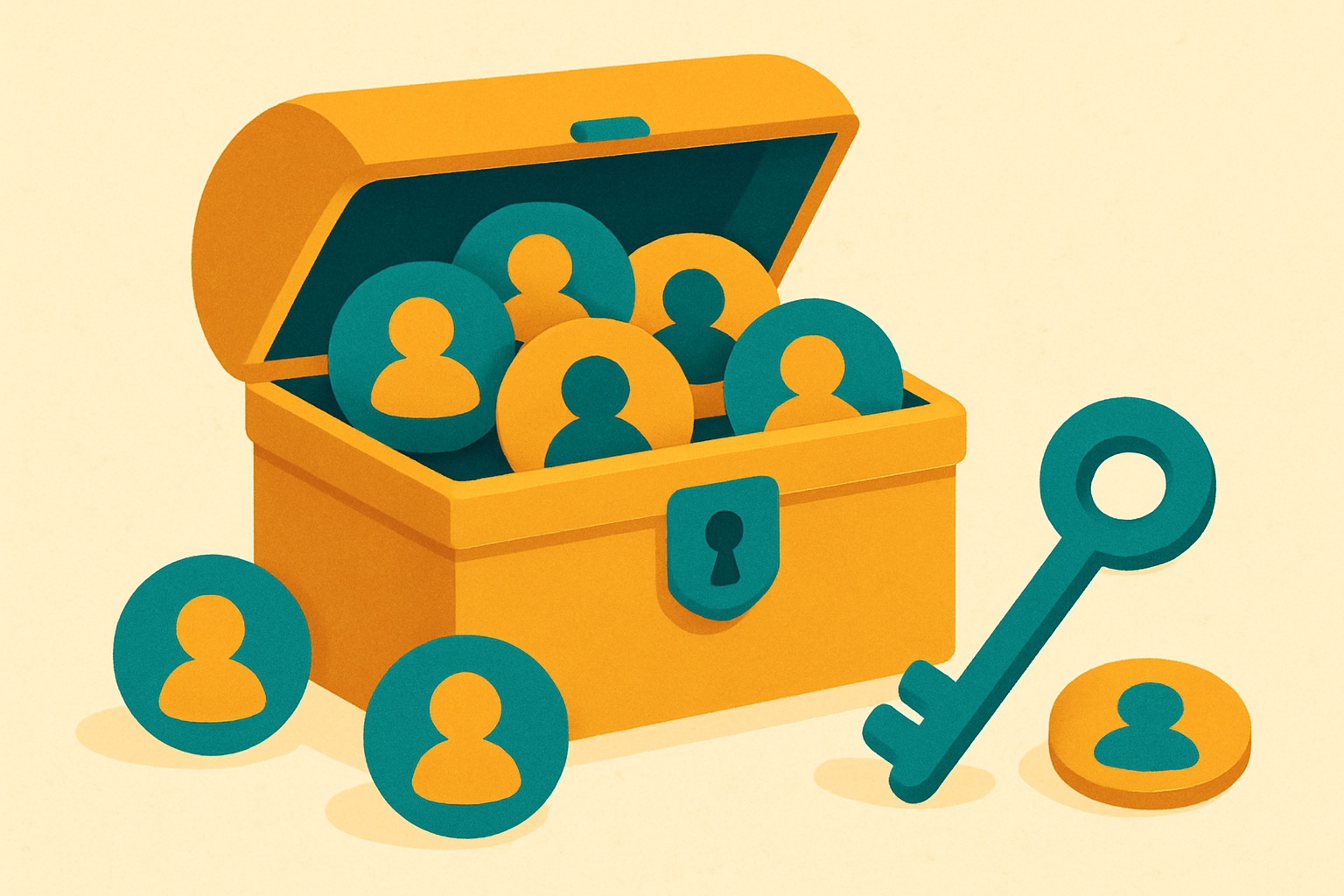
To explain data privacy to primary school children, compare their personal information to the keys to their front door. Tell them that their name, school, date of birth, and photos are valuable secrets they should only share with trusted adults, rather than handing them out to strangers or apps online.
As parents and teachers, it is completely normal to feel a step behind when it comes to technology. The devices our children use change rapidly, and the hidden systems running behind their favourite games can feel overwhelming. However, keeping children safe online does not require a degree in computer science. It simply requires the same calm, consistent guidance we use to teach them how to safely cross a busy road.
By starting these conversations early, we can help primary school children develop a healthy sense of digital awareness. We want them to pause and think before they tap ‘accept’ on a new game or share a funny video. This foundation becomes especially vital as they grow older and encounter more complex online environments, including artificial intelligence tools designed to mimic real people.
Starting with the digital front door
When we teach children about physical safety, we use concepts they can easily visualise. We tell them not to wander off with strangers and to keep the front door locked. We need to apply this exact same logic to their digital lives. A useful way to begin is by asking them what they would do if a stranger walked up to them in the park and asked for their full name, their home address, and a photograph of their face. Most children will immediately tell you they would run away or find an adult.
You can then explain that the internet is essentially a giant global park. When a new tablet game or a drawing app asks for their location, their microphone, or their date of birth, it is acting just like that stranger in the physical world. Children often assume that because an app has bright colours and cartoon characters, it is entirely safe. We need to gently break that assumption by teaching them that personal data is a precious commodity.
Give them the specific words they need to understand their own digital footprint. You might say, “Your information is like a special puzzle piece. If someone gets enough of your puzzle pieces, they can pretend to know you.” This simple visual helps younger children grasp why we do not share our real names on gaming profiles or post pictures showing our school uniforms. It builds a foundation of caution without resorting to scary stories.
Why apps and games want their information
Children are naturally curious, and they will often ask why a simple game about building blocks or racing cars needs to know their location. This is a perfect opportunity to explain how the modern internet works. You can introduce the concept that very few things online are truly free. If we are not paying for a game with our money, we are usually paying for it with our information.
Try using a real-world parallel that makes sense to a seven-year-old. Imagine a high street shop that gives away free sweets to anyone who walks in, but only if you write down your home address, your favourite colour, and the names of your friends on a piece of paper first. Children instantly see how odd and intrusive that scenario is. You can apply this exact logic to the digital playground, explaining that companies collect these details to learn about them and show them specific adverts.
Discuss how this data collection happens slowly over time. A single online quiz asking for their favourite animal seems completely harmless. But when that is combined with a gaming profile asking for their birth month, and a chat app tracking their location, a detailed picture begins to form. Remind yourself that the goal here is not to spark panic or ban all apps. The goal is to foster critical thinking, helping them recognise when a piece of software is asking for far more than it actually needs to function.
Connecting data privacy to modern AI tricks
The online landscape has shifted significantly in recent years. We are no longer just dealing with targeted advertising or simple spam emails. We are navigating an environment filled with artificial intelligence, deepfakes, and voice cloning. To help children spot these AI-enabled deceptions, they first need to understand how shared personal data feeds these clever tools.
If a child posts a video of themselves talking, or if a scammer lifts a voice note from a public gaming profile, that audio can easily be fed into a computer programme. You can explain this to older primary children by saying, “Some computer programmes can listen to your voice and then copy it, like a parrot learning to speak. Scammers use this trick to pretend to be someone else.” When children realise that their data is the raw material for these tricks, they become naturally more protective of what they share.
Phishing scams have also evolved. Scammers now use gathered data to make their messages look highly convincing. If a scammer knows a child plays a specific video game because they shared that detail on a public forum, a fake message offering free in-game currency becomes much harder to spot. Teach children that just because a message mentions their hobbies, their school, or their friends, it does not mean the sender is trustworthy.
Setting boundaries without causing panic
The UK has recently updated its approach to protecting children online with the Online Safety Act. This legislation places more responsibility on tech companies to shield younger users from harm and restrict their access to inappropriate content. While this is a positive step forward, legislation takes time to filter down into everyday app design. Active, practical guidance at home and in the classroom remains the most effective way to keep children safe right now.
Start by reviewing privacy settings together. Make this a shared, collaborative activity rather than a lecture. Sit down with their favourite game console, mobile phone, or tablet and go through the menus side by side. Show them exactly how to turn off location sharing, disable microphone access, and ensure their profile is set to private. When children are involved in the process, they are far more likely to understand the reasoning behind the rules.
Teach them the habit of creating safe online identities. If a game asks for a username, guide them to invent a funny animal name rather than using their real first and last name. If a site requires a profile picture, suggest they use an illustration of their favourite cartoon character rather than a real photograph of their face. These highly practical steps immediately disconnect their online activity from their physical identity, giving them a layer of protection against people trying to gather their data.
Building a culture of open conversation
The most effective safety tool you have at your disposal is an open, non-judgemental dialogue. Children will inevitably make mistakes online. They might click a bad link, share a photograph they later regret, or fall for a clever phishing trick disguised as a prize. When this happens, they need to know they can come to you for help without facing immediate punishment or having their devices confiscated. If children fear losing their screen time, they will hide their mistakes.
In the classroom, teachers can normalise these discussions by talking openly about their own digital experiences. Mentioning a time you received a highly suspicious text message about a missed parcel delivery shows children that absolutely everyone is a target. It frames spotting scams and protecting data as a valuable, everyday life skill rather than a boring rule they have to follow.
Keep the conversation going. Data privacy is not a one-off assembly topic or a single serious chat at the kitchen table. It is an ongoing series of small, casual conversations. Ask them what new apps their friends are playing, and gently enquire about what sort of details those apps ask for. By making digital safety a normal topic of conversation, you empower them to navigate the online world with confidence and care.
Try this at home or in class
- The username game: Sit down with a piece of paper and create a list of fun, anonymous screen names together. Combine a colour, an animal, and a random number (like BluePenguin42) so they always have a safe identity ready when an app asks them to sign up.
- The app audit: Pick one application they use daily and look at the permissions it requests. Go into the device settings and see if it is tracking their location or using their camera. Discuss whether the app actually needs those tools to work, and turn them off if it does not.
- Establish a safe word: Agree on a secret family or classroom password. Tell the children that if they ever receive a strange message from someone claiming to be you, or asking for money or details, they should ask for the safe word to prove the person is real.
Frequently asked questions
How young is too young to talk about data privacy? Five or six is a good time to start with the most basic concepts. At this age, you can teach them that their real name, their home address, and their school are special secrets that belong only to them and their trusted adults.
Will talking about AI deepfakes frighten my child? Not if you explain it calmly. Frame it as a clever magic trick or a computer wearing a mask. The goal is to teach them that seeing is no longer always believing, and that they should always check with an adult if a video or voice note feels strange.
What should I do if my child has already shared personal details online? Stay calm and do not express anger. Sit down together, go into the app settings, and delete the information or change the account to private. Use the situation as a gentle, practical learning moment rather than a reason for punishment.
Can schools completely block these data-collecting apps? Schools have strict internet filters that block the vast majority of harmful sites and data-heavy applications. However, children often use mobile networks or their own home devices. Education remains the most reliable, long-term filter we can give them.
At Safety Spotters, we know that bringing these lessons to life can sometimes be tricky. That is why our books turn these exact safety concepts into engaging stories that children actually remember, helping them spot deception before it happens. You can grab a free copy of our latest guide for parents and teachers at safetyspotters.com/free.