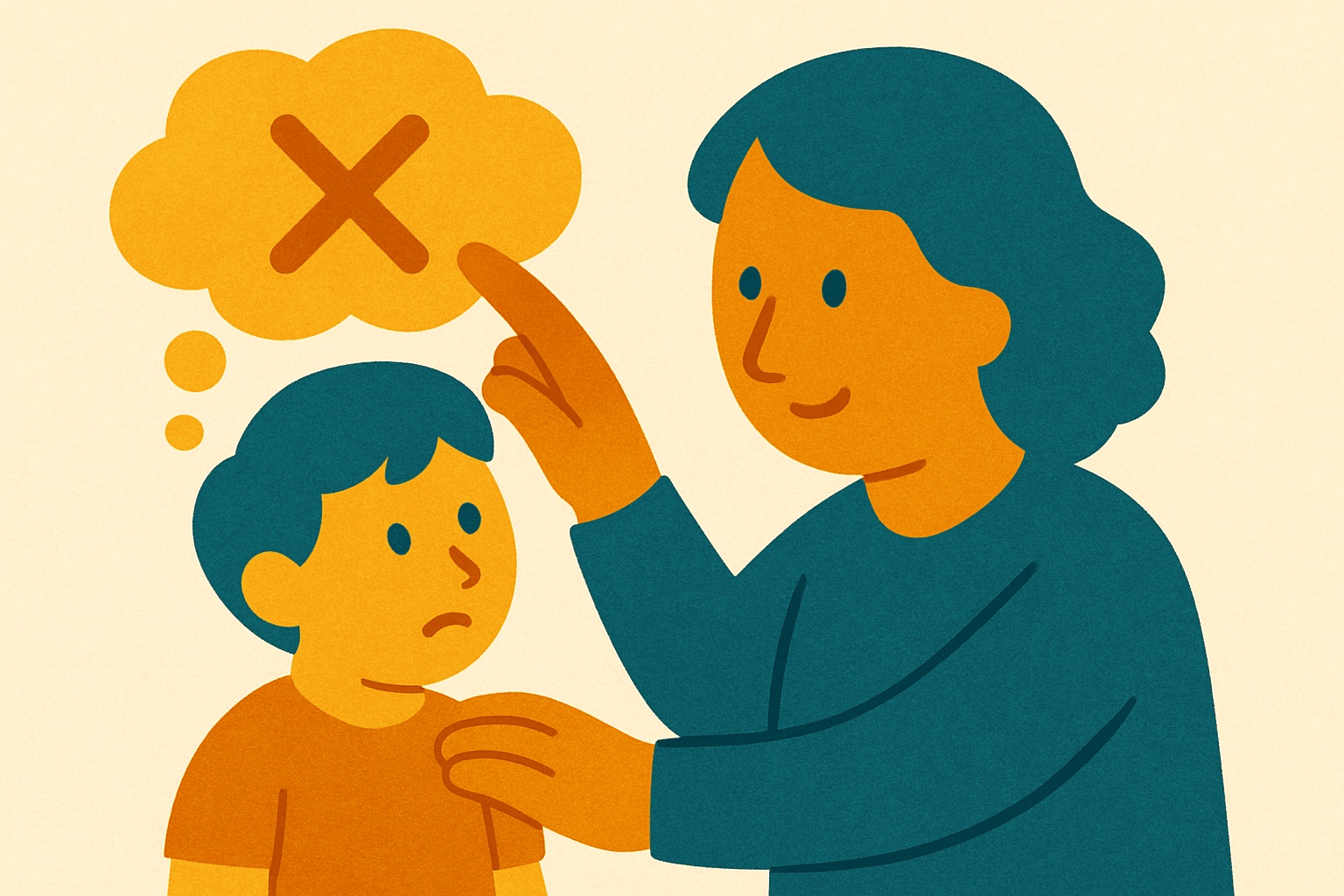
How to handle it when your child believes false information online
When your child believes false information online, stay calm and listen without judgement rather than rushing to correct them immediately. Ask gentle questions about where they found the information so you can help them spot the clues themselves. This gentle approach builds their critical thinking skills and keeps the conversation open for the future.
As a parent or teacher, hearing a child confidently repeat something completely untrue can be quite alarming. You might overhear them talking about a famous gamer giving away expensive consoles, or a terrifying rumour about a new rule at school. The natural instinct is usually to jump in and tell them it is absolute nonsense. However, children are navigating an internet that looks very different to the one we grew up with.
Artificial intelligence has made it incredibly cheap and easy to create convincing fake images, voice cloning scams, and deceptive videos. Even adults get tricked by sophisticated deepfakes on a daily basis. If we want to help children aged five to fourteen navigate this space, we need to guide them with patience. By responding thoughtfully, we show them that being tricked by the internet is nothing to be embarrassed about.
Pause and listen before you react
When a child tells you a wild story they saw on a social platform, your immediate reaction sets the tone for the entire conversation. If you laugh, sigh, or tell them they are being gullible, they will likely feel embarrassed. That embarrassment quickly turns into defensiveness. The next time they see something confusing or frightening online, they might choose to keep it to themselves to avoid feeling foolish.
Instead, take a deep breath and simply listen. Give them the space to explain exactly what they saw and why they believe it. Children often consume content rapidly, swiping from one video to the next without pausing to process the details. Sometimes, just saying the information out loud to a trusted adult helps them realise it sounds slightly ridiculous. Let them finish their thought completely without interrupting them.
You can validate their feelings without validating the false information. If a child is scared because they saw a video claiming a natural disaster is about to hit their town, you can say you understand why that would be frightening. Acknowledging their emotional response builds trust. They need to know you are on their side, not just another authority figure waiting to tell them they are wrong.
Once they have shared their thoughts, you are in a much better position to guide them. You have kept the lines of communication wide open, which is essential for their ongoing digital education. This calm approach transforms a potential argument into a shared puzzle that you can solve together.
Ask curious questions to trace the source
Rather than pointing out the falsehood straight away, play the role of an interested detective. Ask them where they found the information. Was it a video on their main feed, a message forwarded by a friend, or an advertisement inside a mobile game? Getting them to retrace their steps is a brilliant way to introduce the concept of source evaluation without making it feel like a boring lecture.
You might say something like, “That sounds amazing, I have not heard about that yet. Who originally posted the video?” Often, a child will realise they do not actually know who created the content. They might admit it was just a random account with no profile picture, or a forwarded voice note from someone they have never met. This is your chance to gently suggest that some sources are more reliable than others.
Consider the common scenario of a fake celebrity giveaway. A primary school child might be entirely convinced that their favourite footballer is giving away free trainers to anyone who clicks a specific link. By asking them why a famous athlete would use a strange, misspelled website instead of their official verified page, you prompt the child to think logically. You are helping them join the dots themselves.
This questioning method works just as well in a busy classroom setting. If a secondary school pupil brings up a fake news story during a lesson, asking the class to look at the source together turns a distraction into a valuable teaching moment. It teaches them to question the motive behind the content, rather than blindly accepting it.
Look for the visual and audio clues together
We are dealing with highly sophisticated technology, but it is rarely perfect. Artificial intelligence still leaves clues behind, and teaching children to spot these signs is incredibly empowering. When you are looking at a suspected deepfake or a manipulated image together, treat it like a game of spot the difference. Ask the child to look really closely at the small details.
For images and videos, encourage them to look at hands, teeth, and background objects. AI generators often struggle with fingers, creating hands that look melted or have too many digits. Blinking can also be a dead giveaway in deepfake videos. Does the person blink naturally, or do their eyes look glassy and robotic? Does the lighting on their face match the lighting in the room behind them? Pointing these things out helps children realise that seeing is no longer always believing.
Voice cloning scams are becoming much more common and can be particularly tricky for older children. They might hear a voice note that sounds exactly like a famous personality offering a prize, or even a fake voice message pretending to be a family member in trouble. Teach them to listen to the pacing of the words. AI voices often take breaths in strange places or lack the natural emotion that a real person would display.
By making this a collaborative activity, you are giving them practical tools they can use when you are not looking over their shoulder. They begin to view online content with a healthy dose of scepticism. Over time, spotting the signs of digital deception becomes second nature to them.
Build a habit of pausing before sharing
False information spreads rapidly because it is designed to trigger our emotions. Scammers and creators of fake news want us to feel angry, excited, or terrified so that we share their content immediately. Children are especially vulnerable to this emotional manipulation. We need to teach them the importance of pressing pause before they hit the share button or click on a suspicious link.
Explain to them that if a video or message makes them feel a sudden burst of strong emotion, that is exactly the moment they need to stop and think. Phishing scams rely on a false sense of urgency, telling the victim they must act right now to claim
Frequently asked questions
How should I react when my child tells me a fake story they saw online? You should stay calm and listen without laughing or calling them gullible. Allowing them to finish their thought prevents embarrassment and keeps the lines of communication open.
What if my child is genuinely scared by a fake video about a disaster? You should validate their emotional response without validating the false information. Telling them you understand why it is frightening builds trust and shows you are on their side.
How can I help my child question where the information came from? Act like an interested detective and ask gentle questions about who originally posted the content. Asking if it came from a verified page or a random account helps them think logically about the source.
What visual clues can I teach my child to look for in fake images or videos? Encourage them to look closely at hands, teeth, and background details. Artificial intelligence often struggles with these elements, creating fingers with too many digits or robotic eyes that do not blink naturally.