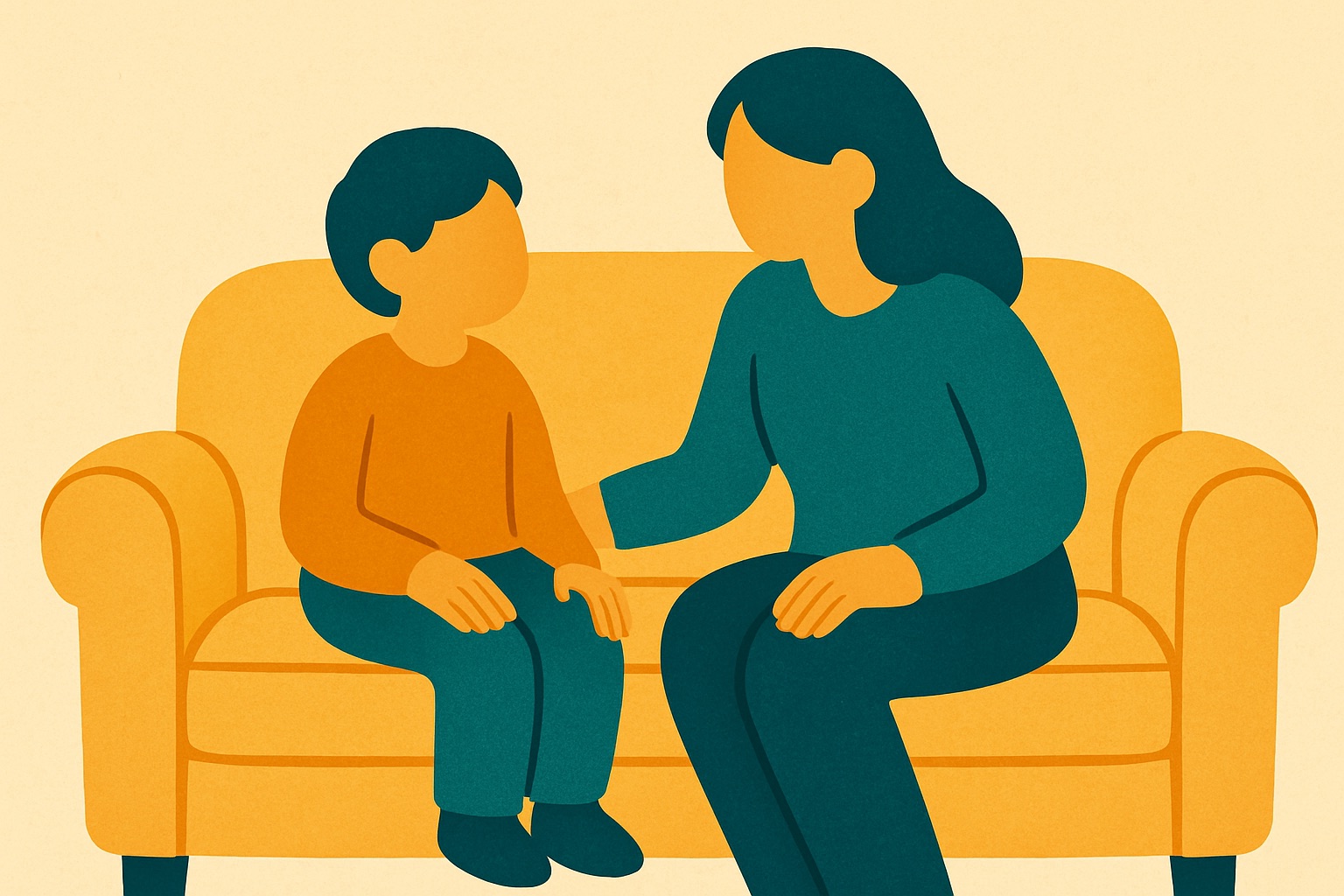
How to start a conversation about online safety without lecturing
The best way to start a conversation about online safety is to use everyday moments rather than sitting down for a formal talk. Ask your child to show you how a new app works or mention a strange message you received yourself. By showing genuine curiosity instead of fear, you create a space where children feel safe sharing their digital lives with you.
For many parents and teachers across the UK, keeping young people safe on the internet feels like a daunting task. The digital landscape shifts constantly. We hear about deepfakes, voice cloning scams, and clever phishing messages, and we naturally feel a sense of dread. Our instinct is to protect children by sitting them down and listing all the things they must never do online.
However, most children and teenagers will simply tune out a lecture. If they feel they are being talked at or interrogated, they will put their walls up and hide their digital activities. We need to become partners in their online journey. The Online Safety Act is putting pressure on technology companies to make their platforms safer for young users, but legislation takes time to filter down to our daily lives. Right now, in our homes and our classrooms, our most effective tool is calm and open communication.
Swap the big talk for small chats
The physical setup of a conversation completely changes how a child responds to it. If you sit a ten-year-old down at the kitchen table, cross your arms, and demand to know what they are watching on YouTube, they will instinctively feel defensive. It feels like an interrogation or a telling-off. Instead, try talking side-by-side. Children are far more likely to open up when you are not making direct eye contact.
Car journeys are absolutely perfect for this. You are both looking out the windscreen, the radio is playing quietly in the background, and the pressure is entirely off. You might casually ask what game everyone is playing at school at the moment or who the funniest person on TikTok is right now. Cooking dinner, walking the dog, or doing a jigsaw puzzle offer the exact same relaxed environment. These small windows of time allow for bite-sized chats that feel completely natural to a child.
Teachers can easily adapt this side-by-side approach in the classroom. Rather than standing at the front and delivering a serious assembly about the dangers of the internet, you can weave small, curious questions into normal lessons. If a class is discussing a piece of news or a historical event, you might gently ask how they can tell if a picture they see online is real or fake. These brief, low-pressure interactions build up a solid foundation of trust over a whole school term.
Ask them to be your digital guide
Children love being the expert, especially when it comes to modern technology. Many parents and teachers believe they need to know everything about every new app, game, and social platform before they can even mention online safety. This is simply not true. Pretending you know it all can actually shut down the conversation very quickly. Admitting you are a bit lost is a wonderful and highly effective way to get them talking.
Try asking your child or your pupil to show you how something works. You could say you have heard about a new game on Roblox or a specific trend on Instagram and ask them to explain it to you. Sit next to them while they navigate the menus. As they show you the ropes, you can ask gentle, inquisitive questions. You might ask who they usually play with, how they block someone who is being annoying, or what they would do if a stranger sent them a direct message out of the blue.
Because they are in the position of the teacher, they will often explain their own safety strategies without even realising they are doing it. You might be surprised by how much they already know about keeping themselves secure. If they mention something that slightly worries you, try to keep your reaction entirely neutral. Thank them for showing you the app and casually ask how they feel about that particular feature. They will appreciate your genuine interest in their hobbies.
Use your own experiences as a conversation starter
One of the most effective ways to talk about online deception is to share times when you have been confused or nearly tricked yourself. We are all facing a wave of highly realistic scams, fake delivery texts, and AI-generated content. When you make yourself vulnerable by admitting you almost clicked a bad link, you show children that being tricked is not a sign of stupidity. It is just a normal part of navigating the internet.
For example, you might show a child a strange text message you received claiming you have an unpaid parking fine or a missing parcel. You can explain how real the message looked and talk through the exact steps you took to check it. You could say you noticed the sender’s phone number looked strange or that you decided to go directly to the official Royal Mail website instead of clicking the link provided. This models excellent digital behaviour without sounding like a textbook.
You can do exactly the same thing with deepfakes and AI voice cloning. If you see a funny but fake video of a politician or a celebrity on your own social media feed, show it to them. Ask them if they think the video is real. Point out the blurry edges around the person’s face, the strange movement of their hands, or the slightly robotic sound of the voice. By turning this into a detective game, you equip them with the critical thinking skills they need to spot AI-enabled deception on their own feeds.
Establish a rule of zero panic
The single biggest barrier to a child telling an adult about a problem online is the absolute fear that they will lose their device. If a child clicks a malicious link, sees a frightening deepfake, or replies to a suspicious message, their first instinct is usually panic. If they believe their phone, tablet, or gaming console will be confiscated as a punishment, they will simply delete the evidence and keep entirely quiet.
You need to state clearly and often that they will never be in trouble for coming to you with an online problem. Tell them that the internet is a tricky place and that absolutely everyone makes mistakes. Let them know that your primary job is to help them fix issues, not to punish them for getting into a muddle. This reassurance needs to happen on a quiet Tuesday afternoon, long before anything actually goes wrong.
If they do come to you with a problem, you must keep that promise. Your internal reaction might be sheer panic or frustration, but your external reaction must remain perfectly calm. Take a deep breath, thank them for being brave enough to tell you, and look at the problem together. Whether it is a phishing scam or a fake friend request from an AI bot, handling the situation as a team proves that you are a safe harbour for their digital worries.
Try this at home or in class
If you want to put these ideas into practice today, here are three simple concrete steps you can take to open up the conversation about online safety.
Play ‘Spot the Fake’ together
Find a harmless, AI-generated image online (like a dog riding a
skateboard or a fake celebrity outfit) and show it to your child. Ask
them if they can spot the clues that prove it is not real. Look for
strange fingers, blurry backgrounds, or mismatched shadows. Make it a
fun challenge rather than a test.
Share your spam folder
Open your email spam folder and look at a classic phishing email
together. Read out the dramatic subject line and point out the spelling
mistakes. Ask your child why they think scammers use such urgent
language. This takes the mystery and fear out of scam messages.
The ten-minute tour
Set a timer for ten minutes and ask your child to give you a guided tour
of their favourite app or game. Let them drive the screen. Ask them to
show you where the privacy settings live and how they report a problem.
Praise them for knowing exactly where these safety features are
kept.
At Safety Spotters, we know that children learn best when they are engaged and entertained. Our Safety Spotters books turn these exact lessons into stories children remember, helping them spot deepfakes, voice scams, and phishing attempts through fun, relatable adventures.
Frequently asked questions
What age should I start talking to children about online
scams and AI?
You can start as early as five or six years old. Keep the language
simple and relate it to things they understand, like strangers in the
real world or trickster characters in fairy tales. As they grow older
and get their own devices, you can introduce specific concepts like
phishing and deepfakes.
How do I explain deepfakes to a primary school
child?
Compare it to dressing up or wearing a very clever mask. Explain that
computers can now paint a digital mask over someone’s face in a video,
making it look like they are saying or doing things they never did.
Remind them that just because we see something on a screen, it does not
mean it actually happened.
What if my child refuses to talk to me about their online
life?
Do not force the issue. Back away and try again another day using a
different approach. Ask for their help with a tech problem of your own,
or mention a news story about a scam. Sometimes, removing the focus from
their personal habits makes them much more willing to chat.
How can I keep up with all the new AI scams and
apps?
You do not need to know every single app or scam. The core rules of
online safety remain exactly the same: do not trust urgent messages, do
not click unknown links, and always verify who you are talking to. Focus
on teaching these basic critical thinking skills, and they will apply to
whatever new technology comes next.
You can get your free copy of our guide for parents and teachers at safetyspotters.com/free.