How to talk about oversharing without scaring your teenager
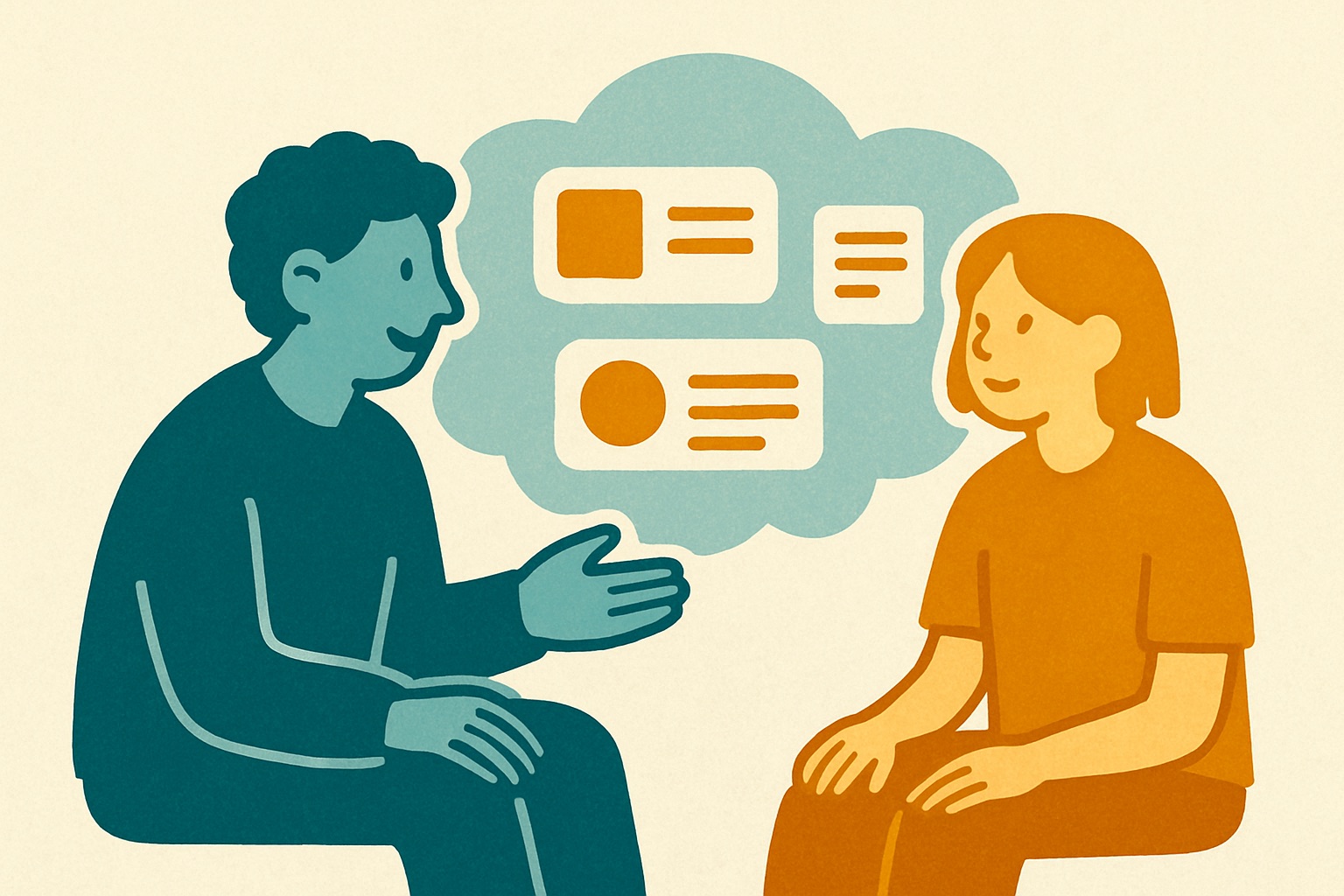
The best way to talk to your teenager about oversharing is to approach the subject with genuine curiosity rather than criticism, focusing on how their information is used rather than judging what they post. Start a calm conversation about how small details can be pieced together by scammers or AI tools, and make it clear that your goal is to protect their digital freedom, not to take their devices away.
When a parent or a teacher approaches a young person to discuss internet safety, the immediate reaction is often a defensive eye roll. Teenagers live a vast portion of their social lives on the internet. To them, sharing updates, photos, and locations is not a risky behaviour; it is simply how they communicate with their friends. If we rush in with dramatic warnings about the dangers of the web, they immediately stop listening. They assume we do not understand how their digital spaces work. To get through to them, we need to adjust our approach. We have to guide them towards making smarter choices without making them feel as though they are constantly under surveillance or at risk of punishment.
Shift the focus from punishment to protection
The primary reason a teenager will hide their online activity from an adult is the fear of having their phone or computer confiscated. If they believe that admitting a mistake or discussing a difficult situation will result in a digital blackout, they will simply keep quiet. This silence is exactly what we want to avoid. We need to actively remove that fear from the equation by changing the tone of our conversations.
Instead of beginning a chat with a scolding statement about how much time they spend on a particular app, try framing the discussion around external events. You might mention a news story about how automated software gathers public information to create targeted scams. By pointing the conversation at an outside threat, you position yourself alongside your teenager, looking at the problem together, rather than standing in front of them blocking their path.
It also helps to show a little vulnerability about your own digital habits. Admit to the times you have almost clicked on a suspicious link or shared a post you later realised gave away too much information. When adults admit they are also learning how to navigate this fast-changing environment, teenagers feel less targeted. It becomes a shared learning experience rather than a lecture from on high.
Explain the jigsaw puzzle of personal data
One of the most difficult concepts for a young person to grasp is how seemingly innocent pieces of information can be combined to create a detailed personal profile. A teenager might think a single photo is completely harmless. However, they rarely consider the context. A photo taken in their school uniform, combined with a previous post mentioning their pet dog, and a public countdown to their birthday, provides a massive amount of data to anyone paying attention.
This is where the conversation about AI-enabled deception becomes highly relevant. Automated tools can now scrape these scattered details across multiple platforms in seconds. Scammers use this gathered data to create incredibly convincing phishing messages or even voice-cloning scams. If a malicious message includes the name of their best friend, their secondary school, and their favourite hobby, it no longer looks like a generic scam. It looks like a genuine message from someone who knows them.
To explain this without causing panic, use a relatable example. Ask them to imagine they have just posted a video complaining about a specific teacher, mentioning the exact park where they practice football on a Tuesday evening. Walk them through how a stranger could piece that together. Keep the tone educational, focusing on the mechanics of how data is gathered rather than terrifying them with worst-case scenarios. The goal is to help them see their digital footprint as a puzzle that they control, encouraging them to keep a few key pieces to themselves.
Navigate the pressure to perform and share
We have to acknowledge the reality of modern teenage life. For a young person, sharing content is a form of social currency. It is how they build their identity, participate in trends, and find their peer group. If we tell them to stop sharing entirely, we are effectively asking them to step completely out of their social world. This is an unrealistic expectation that will only cause friction.
Instead, we need to help them understand the difference between sharing an experience and sharing sensitive data. They can absolutely share the excitement of going to their first big concert, but they do not need to post a clear picture of the ticket barcode that someone else could copy. They can share a funny story about their weekend without tagging their precise location in real time. We want them to enjoy their digital spaces while maintaining a protective boundary around their personal lives.
A highly practical technique to introduce is the concept of a posting delay. Encourage them to wait just one hour before posting something highly emotional or sharing a live location. This short pause breaks the immediate emotional urgency that social platforms are designed to trigger. It gives the rational part of their brain a chance to catch up and assess whether the post gives away too much. Over time, this small habit builds a strong foundation for critical thinking.
Keep the conversation going during everyday moments
The formal, scheduled chat about internet safety rarely works well with teenagers. It often feels heavy, confrontational, and awkward. Instead, look for natural, low-pressure moments to weave these topics into everyday life. Driving in the car, preparing dinner, or walking the dog are excellent opportunities. During these activities, you are not making direct eye contact, which significantly reduces the intensity and makes young people much more willing to open up.
Use external hooks to start these casual chats. If a well-known influencer gets hacked, or if a local school sends out a warning about a new phishing trend, use that as a neutral starting point. Ask your teenager what they think about the situation, rather than telling them what they should think. Asking questions like “How do you think someone falls for that?” encourages them to articulate the risks themselves, which is far more effective than you explaining it to them.
It is also worth mentioning the broader landscape of internet safety. The UK has introduced the Online Safety Act, which aims to put more pressure on technology companies to protect younger users. This is a positive step forward, as platforms will eventually have to take greater responsibility for the content they host. However, legislation takes time to change platform behaviour, and scammers adapt quickly to new rules. Therefore, helping our children develop their own critical thinking and digital street smarts remains our most practical and immediate defence against online deception.
What to do when a mistake happens
Despite our best efforts and the most careful advice, mistakes will inevitably happen. Growing up involves testing boundaries and making errors of judgement. A teenager might post something they deeply regret in the heat of an argument, or they might be tricked into sharing a password by a highly sophisticated, AI-generated message that looks exactly like it came from a trusted brand. When this happens, they need to know exactly how you will react.
Your reaction in the first ten seconds of them confessing a mistake determines whether they will ever come to you with a problem again. Take a deep breath. Do not shout, and do not immediately threaten to take their device away. Thank them for having the courage to tell you. Assure them clearly and calmly that you are on their team, that the situation can be fixed, and that you will sort it out together.
Once the initial panic has subsided, move on to practical steps. Sit down together and help them delete the problematic post, change their compromised passwords, or block the person causing trouble. If they have been targeted by a deepfake issue or a serious scam, help them report it to the platform administrators and the relevant authorities. The underlying message must always be that there is a way forward, that digital mistakes do not have to ruin their lives, and that they are never alone when facing an online problem.
Try this at home or in class
- The background check: Sit together with a recent photo they were planning to post. Look past the main subject and examine the background for clues like street signs, school logos, or letters pinned to a fridge noticeboard.
- The audience review: Open their favourite social application together and navigate to the privacy settings. Check exactly who has permission to view their latest post and adjust it so only known friends have access.
- The 24-hour rule: Agree on a household or classroom rule to wait a full day before posting anything related to strong negative emotions or detailed holiday plans.
Frequently asked questions
What should I do if my teenager refuses to talk about their online activity? Back off slightly and avoid forcing the issue, as pressure usually leads to further retreat. Start by casually mentioning news stories about online safety or scams without asking them direct questions about their own habits, allowing them to join the conversation on their own terms.
How do I explain the risks of AI scams without causing anxiety? Focus on the mechanics of how the technology works rather than the potential harm. Explain that AI tools are just clever computer programmes that need data to function, and by keeping personal details private, you easily stop the programmes from working on you.
Should I demand to see everything my child posts online? Demanding total access usually backfires, pushing teenagers to create secret, hidden accounts you know nothing about. It is much better to build trust by asking them to show you their favourite posts and focusing on open communication rather than strict surveillance.
At what age should we start talking about digital footprints? You can begin these conversations as soon as a child starts using a tablet or watching videos online, usually around primary school age. Keep the concepts simple early on, such as explaining that the internet remembers pictures forever, and gradually introduce more complex topics like phishing as they grow older.
Translating these vital lessons into concepts that resonate with young minds can sometimes feel like an uphill struggle. This is exactly why the Safety Spotters books turn these lessons into stories children remember, giving you a natural, engaging way to discuss online safety without resorting to a lecture. You can find more resources and claim a free copy for parents and teachers at safetyspotters.com/free.