How to talk to your teenager about fake photos online
To talk to your teenager about fake photos online, start a casual conversation about something you have both seen on social media rather than delivering a strict lecture. Ask them how they can tell if an image is real, guide them to look for unusual details like strange hands or blurred backgrounds, and remind them that it is perfectly normal to be tricked sometimes.
As a parent or a teacher, you know that teenagers spend a huge chunk of their day looking at screens. It is entirely understandable if you feel anxious about the artificial intelligence tools that can now generate incredibly realistic images in seconds. You might wonder how on earth you are supposed to protect them from sophisticated digital deception when you are still figuring out the technology yourself.
The good news is that you do not need a degree in computer science to help your child navigate this. What you already have is life experience and a strong bond with the young people in your care. This conversation is not about sitting them down for a terrifying briefing on the dangers of the internet. It is about equipping them with a gentle, questioning mindset. With a few simple strategies, you can give them the confidence to question what they see on their feeds without feeling overwhelmed or frightened.
Start with curiosity rather than a lecture
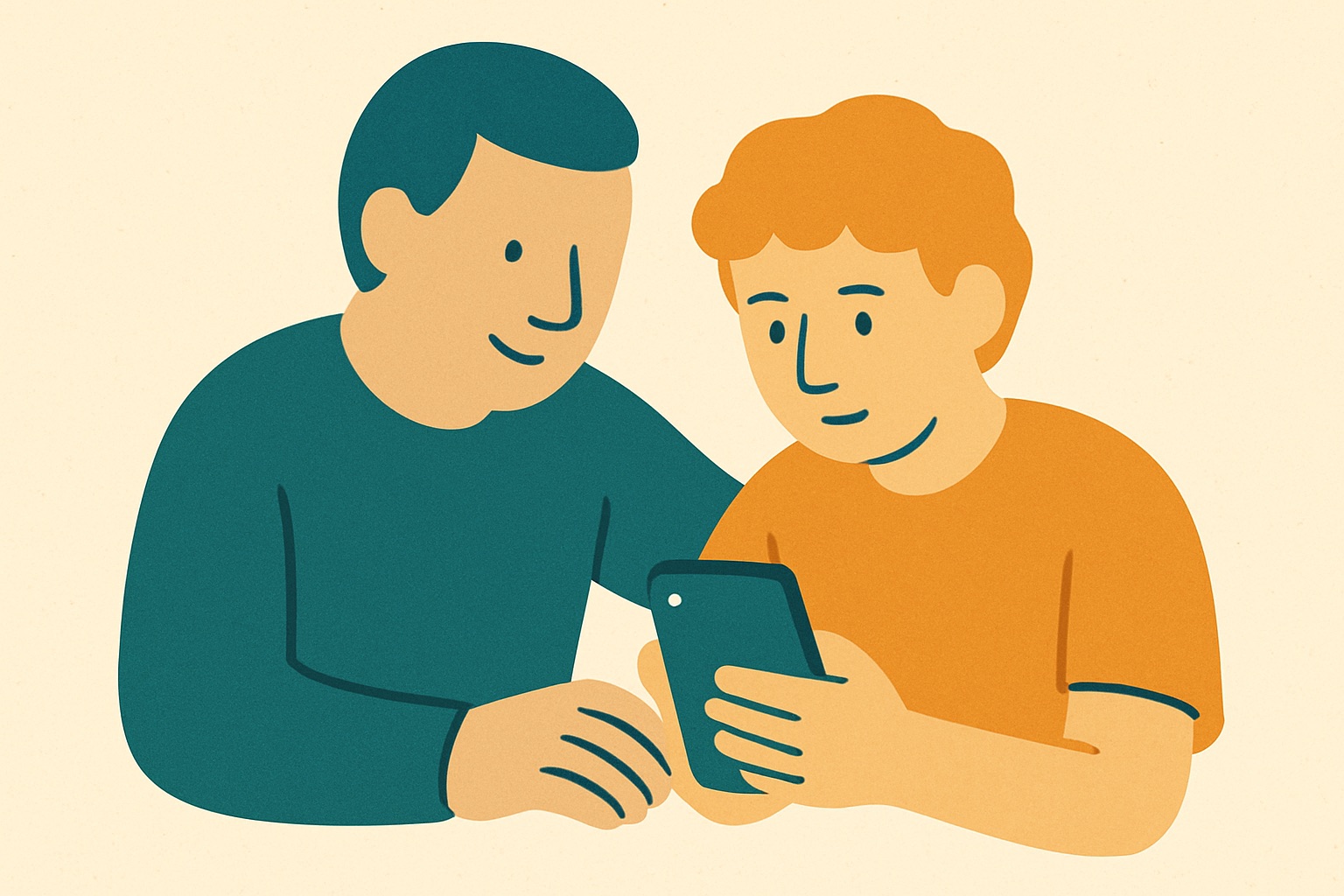
Teenagers naturally push back against formal lectures, especially when they feel they know more about social media than the adults in their lives. If you walk into their bedroom and announce a serious chat about artificial intelligence, you will likely be met with rolled eyes. Instead, look for a natural opening. You might spot a viral image of a celebrity doing something out of character or a politician in a bizarre outfit. Mention it casually while you are making dinner or driving them to school. Say something simple, such as asking if they have seen the picture and what they make of it.
By inviting their opinion first, you position them as the expert. They might immediately tell you it is a fake, which gives you a wonderful opportunity to ask them how they knew. If they believe the image is real, you can gently wonder aloud about a strange detail in the photo. This collaborative approach removes the friction from the conversation. You are not a teacher handing down rigid rules; you are two people trying to make sense of a confusing digital space.
It is vital to reassure them that absolutely everyone gets fooled by fake photos. Even technology experts are regularly caught out by clever AI images. If your teenager admits they shared a fake picture or believed something that turned out to be untrue, validate their experience. Remind them that the creators of these images design them specifically to trick our brains. Removing the shame from being fooled means they are much more likely to come to you the next time they feel unsure about something they have seen online.
Look for the subtle clues together
While artificial intelligence technology is improving rapidly, it still struggles with certain physical details. You do not need special software to spot these errors; you just need to know where to look. Encourage your teenager to become a digital detective. The most famous giveaway is human hands. For some reason, artificial intelligence finds fingers incredibly difficult to recreate accurately. If you zoom in on a suspect image, you might find a person with six fingers, hands that blend into clothing, or joints bending at impossible angles.
Backgrounds and text are also excellent places to hunt for clues. If a photo shows a crowded street, ask your teenager to look closely at the faces of the people in the distance. Often, AI will generate blurred, stretched, or completely featureless faces in the background. Similarly, if there are shop signs, posters, or writing on clothing, artificial intelligence frequently turns letters into unreadable, dreamlike squiggles. A photo of a famous landmark might feature a clock face with alien symbols instead of numbers.
Lighting and shadows can also give the game away. In a real photograph, the light comes from a specific source, meaning shadows fall in a consistent direction. Fake images often feature lighting that makes no logical sense, with shadows falling in opposite directions or missing entirely from objects that should cast them. Practice looking for these details together using images you know are fake. It turns a scary subject into a puzzle you can solve as a team, building their critical thinking skills without them even realising it.
Discuss the emotions behind the image
Beyond the physical clues, the most powerful tool your teenager has against fake photos is their own emotional reaction. Artificial intelligence images that go viral are rarely boring. They are specifically crafted to make the viewer feel something intensely, whether that is anger, shock, amusement, or deep sadness. If an image makes your teenager feel an immediate, overwhelming urge to share it or leave an angry comment, that is precisely the moment they need to pause.
Talk to them about the concept of emotional manipulation. Ask them who might benefit from an image going viral. Sometimes, it is just a prankster wanting internet fame, but other times, it is someone trying to spread misinformation or create division. By helping your teenager recognise when their emotions are being targeted, you take away the power of the fake image. You can explain that taking a deep breath and stepping back is the best defence against digital deception.
This is a good moment to mention that the adult world is taking this seriously too. New rules, such as the UK Online Safety Act, are being introduced to help make social media platforms take more responsibility for the content they host. However, the law will never be able to catch every single fake picture before it reaches their feed. Their ability to regulate their emotional response and question the intent behind a picture will always be their strongest shield.
Build a habit of pausing before sharing
The fastest way fake photos spread is through well-meaning people clicking the share button before they have taken a moment to think. Teenagers are under immense social pressure to be the first to share a funny or shocking post in their group chats. Your goal is to help them introduce a tiny gap of time between seeing a photo and sending it to their friends. You can call this the five-second rule for social media.
In that five-second pause, they can do a quick mental check. If a photo seems completely unbelievable, it probably is. You can show them how to do a very basic check outside of the social media app. If a picture claims to show a massive event, like a famous monument on fire or a well-known singer doing something scandalous, a quick check of a reliable news website will confirm if it is true. If no major news outlet is reporting on this incredible event, the photo is almost certainly a fake.
You can also introduce them to the idea of a reverse image search, which is simpler than it sounds. Many smartphones now allow you to tap on an image and search the web for it. This can quickly reveal if a photo is brand new, if it has been circulating for years under different contexts, or if it has already been debunked by fact-checkers. Making this small pause a regular habit drastically reduces the chances of your teenager accidentally spreading misinformation.
Try this at home
Here are three simple, practical steps you can take with your teenager this week to help them spot fake photos.
- Find a known fake: Search online for a famous AI-generated image that went viral recently, such as the pope in a puffy white coat. Show it to your teenager without context and ask if they notice anything unusual about it.
- The background check: Challenge them to find a busy photo on their social media feed and zoom right in on the background. Look together for strange letters on signs, weirdly shaped trees, or distorted faces in the crowd.
- The news test: The next time they show you a shocking image of a celebrity or a major news event, ask them to check a trusted news website on their phone to see if the story appears there too.
Frequently asked questions
At what age should I start talking to my child about fake photos? You can start introducing the basic idea as soon as they have access to a tablet or smartphone, usually around primary school age. Keep it light and focus on the idea that not everything on a screen is real, similar to how movies use special effects.
What if my teenager refuses to believe a photo is fake? Avoid turning it into a heated argument. Gently point out the physical inconsistencies in the image, such as strange shadows or blurry text, and suggest they look up the image on a reliable fact-checking website to see what other people are saying.
Do I need to buy special software to detect AI images? No. While there are detection tools available, they are often unreliable and can be confusing to use. Your teenager’s common sense, an eye for strange details, and a willingness to pause and question the image are far more effective tools.
Will the social media companies protect my child from these images? While platforms are developing new ways to label artificial intelligence content, millions of fake images still slip through the net every day. You cannot rely entirely on the apps to filter out deception, which is why teaching your child to think critically is so vital.
Teaching children to navigate the digital world can feel challenging, but you do not have to do it alone. The Safety Spotters books turn these exact lessons into engaging stories that children remember, helping them build the confidence to spot deception themselves. You can claim a free copy for parents and teachers at safetyspotters.com/free.