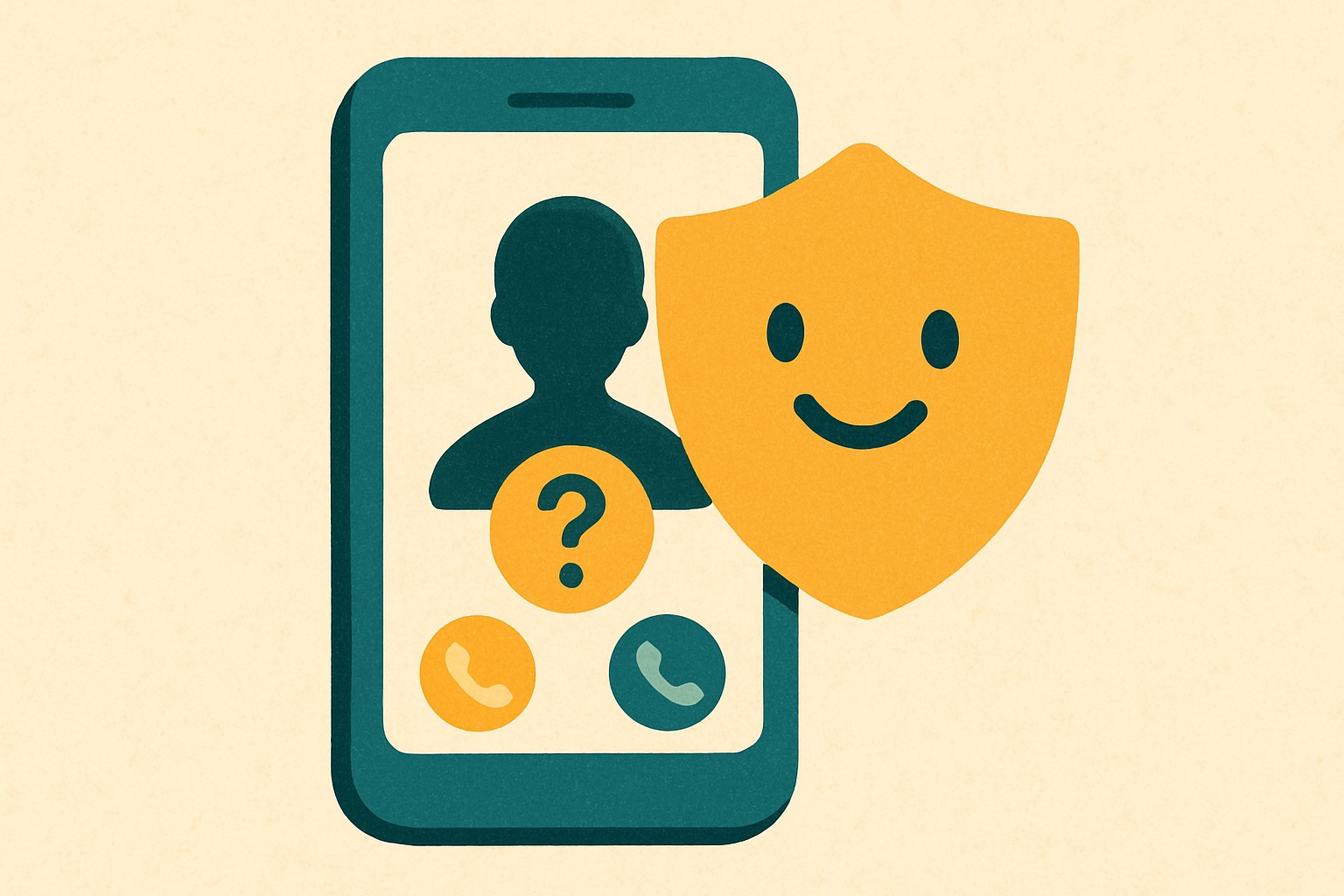
What to teach your children about unknown callers in the AI era
Teach your children that if they do not recognise the number calling their phone, they should let it go to voicemail and check with an adult first. If they do answer and hear someone asking for money, details, or help, they must hang up immediately and call that person back on a number they already trust.
It is completely natural for parents and teachers to feel anxious about the new technology we hear about in the news. You might have seen stories about artificial intelligence being used to mimic voices, making a stranger sound exactly like a family member in distress. While these situations sound frightening, the way we protect our children remains wonderfully simple and grounded in common sense. We do not need to turn them into cyber security experts or frighten them with worst-case scenarios.
Instead, we can give them clear, memorable rules that keep them safe without making them afraid of their own devices. The recent updates to the UK Online Safety Act are helping to make platforms safer for our young people, but the best defence will always be a confident, prepared child who knows exactly what to do when their phone rings. By having a calm chat today, you can give them the exact tools they need to handle any unexpected call with complete confidence.
Understanding why unfamiliar calls happen
We all remember the days when answering the family landline was a normal part of growing up. Today, our children carry their own personal phones in their pockets, and those numbers often end up on lists used by automated calling systems. Sometimes, these are simple nuisance calls. Other times, they might be scammers using basic artificial intelligence to sound like someone in authority, such as a bank worker, a police officer, or even a teacher. For a child or teenager, receiving a call from an adult who sounds serious and demanding can be incredibly intimidating.
The technology behind voice cloning is clever, but it relies entirely on catching the listener off guard. A scammer might use a tiny snippet of audio from a public social media video to make a computer-generated voice sound like a relative. They will then call and create a sense of panic, perhaps claiming they have lost their phone and need money transferred urgently. Children, especially older primary and younger secondary students, are naturally helpful and want to do the right thing. If they hear what sounds like their mum or an older sibling in trouble, their first instinct is to act quickly.
As adults guiding them, our job is to pause that instinct. We need to explain that technology can now copy voices, just like a photocopier copies a drawing. By keeping the explanation this simple, we remove the mystery and the fear. When a child understands that a voice on the phone can be a sort of digital mask, they are much less likely to be tricked by an unexpected caller demanding immediate action.
The power of a family safe word
One of the most effective and reassuring tools you can introduce to your family is a shared safe word. This is a secret word or short phrase known only to you and your children. If someone calls claiming to be you, or claiming to represent you in an emergency, the child simply has to ask for the safe word. If the caller cannot provide it, the child knows instantly that the call is not genuine, no matter how convincing the voice might sound.
Choosing the right safe word can actually be a fun activity to do together. It should be something easy for a five-year-old to remember but obscure enough that a stranger would never guess it. A favourite fictional character, an inside joke, or a silly combination of a colour and an animal often works perfectly. The key is that it must be a word that does not come up in everyday conversation, so it remains special and clearly identifiable when used.
Once you have agreed on your safe word, practise using it in low-stress situations. You might ask them for the word when picking them up from a new after-school club, or have them ask you for it when you call from a different phone. This builds their confidence in asking the question. Tell them that a real family member will always be proud of them for asking, and will never be angry or impatient if they want to check the safe word first.
Teaching the ‘hang up and check’ rule
The simplest rule is often the best. If the screen shows an unknown number, do not answer it. However, we know that curiosity sometimes wins, or a child might answer thinking it is a friend calling from a borrowed phone. If they do pick up and the conversation feels strange, unexpected, or asking for personal details, they need full permission from you to just hang up.
Many children are taught that it is rude to put the phone down on an adult. We must actively unteach this specific manners rule when it comes to unknown callers. Explain to them that hanging up on a suspicious call is not rude; it is exactly what you want them to do. If the caller says they are a teacher, a bank, or even a police officer asking for an address or passwords, the child should press the red button immediately. They do not need to say goodbye or explain why they are leaving the call.
After they hang up, the second part of the rule comes into play. They must check. If the caller claimed to be a family member using a different number, the child should use their own phone to call that family member back on their normal, saved number. If they cannot reach them, they should speak to a trusted adult nearby, like a teacher if they are at school, or another family member if they are at home. Reassure them that they will never be in trouble for hanging up and checking, even if it turns out the call was harmless.
Dealing with callers who know their name
One of the tactics that makes modern phone scams so convincing is the use of personal information. A caller might address your child by their first name, mention the name of their school, or reference a recent hobby. This information is usually gathered from public social media profiles, online gaming accounts, or data leaks. When a stranger already knows these details, it creates a false sense of trust, making the child believe the caller must be genuine.
Talk to your children about how
Frequently asked questions
What should my child do if they receive a call from a number they do not recognise? They should let the call go to voicemail and check with an adult first. If they do answer and are asked for money or personal details, they must hang up immediately.
How can I explain AI voice cloning to my child without frightening them? You can keep the explanation simple by comparing the technology to a photocopier copying a drawing. This helps them understand that a voice on the phone can be a digital mask, removing the mystery and fear.
How does a family safe word protect children from scam calls? A safe word is a secret phrase known only to your family that can verify a caller’s identity. If an unexpected caller claims to be a relative in an emergency, the child simply has to ask for the safe word to know if the call is genuine.
Should I allow my child to hang up on an adult if a call feels suspicious? Yes, you must actively unteach the rule that it is rude to put the phone down on an adult. You should explain to your child that hanging up on a strange or demanding caller is exactly what you want them to do.