Why fear tactics do not work for online safety education
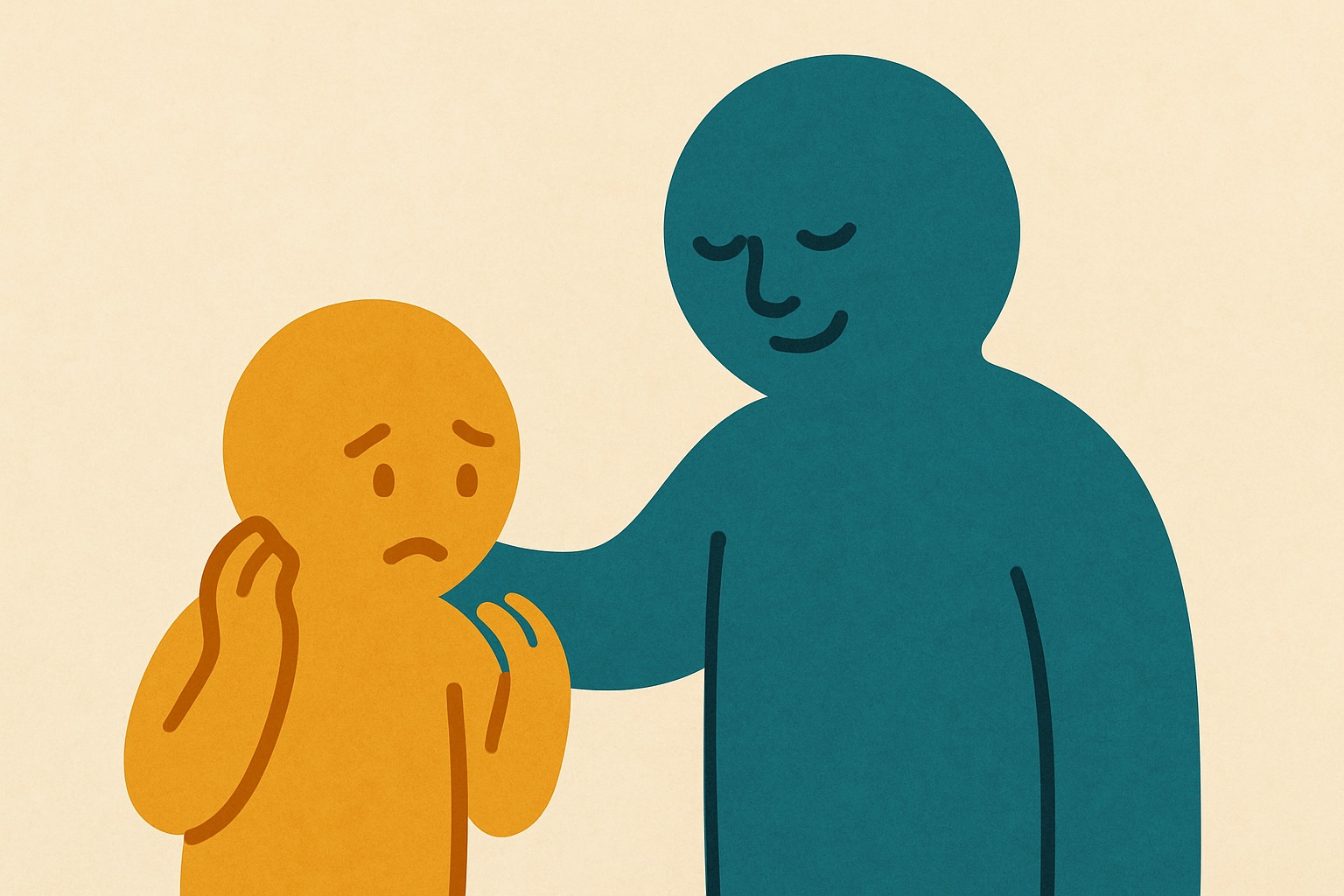
Fear tactics do not work for online safety education because they cause children to hide their mistakes rather than ask for help. When we use scare stories about the internet, young people often panic and freeze, making them more vulnerable to the very scams we want them to avoid. Building their confidence and critical thinking is the only reliable way to keep them safe.
As parents and teachers, it is completely natural to feel overwhelmed by the pace of digital change. Every week brings news of a different phishing scam, a clever voice-cloning trick, or a highly realistic deepfake video. Our protective instinct kicks in. We want to sit our children down and warn them of all the terrible things that might happen if they click the wrong link or talk to the wrong person online. We hope that by showing them the worst-case scenario, they will be careful.
However, child psychology shows us that this approach backfires. When children are motivated by fear, they do not make smarter choices. Instead, they become highly secretive. If we want to protect our primary and secondary school children from AI-enabled deception, we have to change the way we talk about the internet. We need to replace warnings and anxiety with curiosity, calm verification, and unwavering support.
Understanding the freeze response in children
When adults share horror stories of identity theft, hacked accounts, or financial ruin, a young person’s brain goes into defensive mode. Fear triggers a freeze response. If a child accidentally clicks a suspicious link in a gaming chat or replies to a strange text message, their immediate reaction is panic. Because they have been told how dangerous the internet is, their instinct is to close the laptop, delete the message, and hope the problem simply goes away.
Consider a ten-year-old who receives a voice note that sounds exactly like their best friend, asking for a gaming password. This is a common voice-cloning trick used by scammers to steal digital items. If that child is terrified of getting into trouble for talking to hackers, they might just hand the password over in a panic to make the situation stop. Alternatively, they might realise their mistake too late but remain entirely silent, too frightened of the consequences to tell a trusted adult.
The UK Online Safety Act is putting more responsibility on technology platforms to protect users, which is a positive step forward. Yet, the day-to-day reality of dealing with digital deception still falls on families and teachers. We need young people to have a clear, calm head when they are online. When we remove the threat of punishment and the terror of ruining their digital lives, we replace panic with a practical, step-by-step checking process.
Shifting from anxiety to critical thinking
Building critical thinking starts with encouraging simple curiosity. Instead of telling a year seven student that deepfakes are destroying the truth, ask them how they think a computer might be able to copy a photograph. Making it a puzzle takes the sting out of the conversation. When children view digital deception as a magic trick rather than a monster, they become eager to figure out how the trick is done.
What to say: You can start these conversations casually. You might say, “Did you know computers can now learn how to copy people’s voices? How wild is that?” By framing artificial intelligence as a fascinating but sometimes flawed tool, we give children the mental space to look for the flaws. They become active detectives rather than passive victims waiting to be scammed.
What to do: Look at examples together in a relaxed environment. Find a harmless AI-generated image online, such as a dog riding a skateboard on Mars. Ask your child or your students to look closely at the shadows, the background, or the dog’s paws. Training their eyes on harmless, silly things means they will naturally spot the weird blurring, odd blinking, or robotic speech patterns in a malicious deepfake video later on.
What to check: Teach them the pause and verify rule. If a message or a video makes them feel sudden urgency, excitement, or panic, that is the exact moment to stop. Scammers rely on rushing our decision making. Teach children that taking five minutes to check a strange message with an adult is always the smartest move, no matter how urgent the message claims to be.
Talking about AI without the doom
Artificial intelligence is a permanent part of our digital landscape, and our children will grow up using it for work, school, and play. If we paint all AI as a lurking danger, we lose credibility with young people. Teenagers already know that generative tools can be fun for creating pictures or helpful for planning a revision timetable. We must be honest and balanced in our approach.
Keep the focus on the behaviour of the person using the tool, not the tool itself. Just as a pen can be used to write a beautiful poem or to forge a signature, AI can be used to create art or to fake a video. This simple analogy helps children understand that deception is a human choice. The technology is just the method. Once they understand this, they realise they just need to watch out for the human tricks behind the screen.
When discussing phishing emails or fake celebrity giveaways on social media, ask your child what the creator of the video is trying to gain. Are they asking for money? Are they asking for personal login details? When children understand the financial or malicious motive behind the scam, the magic trick is completely ruined. The deception loses its power, and the child can easily dismiss it and move on.
Building a culture of open reporting
The single most effective safety tool you have is your relationship with the child. If a young person knows they can come to you about a mistake without facing a digital ban, they will show you the suspicious message. A confiscated phone or a banned games console is the ultimate fear for most young people. If reporting a scam means losing their device, you can guarantee they will keep quiet.
What to say: Make a clear promise to them today. Say, “If you ever click a link and something weird happens, or if you send a message and someone threatens you, I will not take your phone away. We will fix it together.” Say this often. Make it a family rule or a classroom guarantee. Removing the fear of confiscation opens the door to honest communication.
What to do: React calmly when they do bring you a problem. If they show you a phishing email they just replied to, take a deep breath. Hide your own anxiety. Say, “Thank you for showing me, you did exactly the right thing by bringing this to me.” Then, sit down and change the passwords together. Your calm reaction reinforces their good choice and ensures they will come to you the next time something goes wrong.
What to check: Regularly review their privacy settings together, but do it as a team exercise. Explain that you are locking the digital doors to keep the time-wasters out, rather than spying on their conversations. This collaborative approach builds trust and shows them that digital hygiene is just a normal, boring part of everyday life, much like locking the front door before going to bed.
Using stories to cement the safety message
Facts, warnings, and statistics fade from memory quickly, especially for younger children. Human brains are wired for narrative. When we tell a story about a character who faces a tricky situation and figures a way out, the lesson sticks permanently. A child will remember what the hero did much better than they will ever remember a list of safety rules pinned to a fridge.
This is exactly why the Safety Spotters books turn these lessons into stories children remember. By reading about relatable characters who encounter voice-cloning tricks or deepfaked videos, children aged 5 to 14 can safely experience the deception from a safe distance. They get to see the red flags through the eyes of someone else, which builds their recognition skills without putting them in actual danger.
Teachers can use these narratives in the classroom to spark group discussions. It is much easier for a student to say, “I think the character should have asked her mum before clicking that link,” than it is for them to admit their own vulnerabilities. Stories provide a safe, neutral ground for learning how to spot digital deception, proving that education can be highly effective without ever relying on fear.
Try this at home or in class
- Play the spot the robot game: Look at a few AI-generated images together and turn it into a competition. See who can find the most mistakes in the picture, such as extra fingers, floating objects, or text that looks like nonsense.
- Create a secret safe word: Agree on a family or classroom password. If a child receives a phone call or a voice note from someone claiming to be you in an emergency, they can ask for the safe word. If the person cannot provide it, the child knows it is an AI voice clone.
- Practise the five-second pause: Make it a habit to count to five before clicking any link in an email or a text message, even if it looks like it is from a trusted delivery company or a friend. Use those five seconds to ask, “Was I expecting this?”
Frequently asked questions
At what age should I start talking about AI scams? You can start as young as five or six by keeping it very simple. Talk about how computers can sometimes play dress-up and pretend to be things they are not, just like people do in games.
How do I explain deepfakes to a younger child? Explain that just as we can use a computer to draw a cartoon, people can use computers to make masks that look like real people. Tell them that seeing a video does not always mean it actually happened in real life.
What if my child has already fallen for a phishing scam? Stay completely calm and praise them for telling you. Work together to change their passwords, contact their bank if financial details were shared, and remind them that adults fall for these clever tricks every single day.
Do I need to be a tech expert to keep my students safe? Not at all. You just need to be an expert in critical thinking. Teaching children to pause, question the motive behind a message, and ask an adult for a second opinion requires zero technical knowledge.
If you would like a helpful resource to start these positive conversations without the panic, you can claim a free copy of our introductory guide for parents and teachers at safetyspotters.com/free.