Why we need to teach media literacy from Key Stage 1
We need to teach media literacy from Key Stage 1 because young children are already interacting with digital content, and building early habits helps them spot deception before they face real risks. Starting young turns critical thinking into a natural reflex, giving children the tools to question whether a video, voice note, or message is genuine.
For many parents and teachers, the idea of explaining artificial intelligence, deepfakes, or phishing to a five-year-old feels daunting. You might wonder if they are too young to understand or if bringing up these topics will just frighten them. The truth is that children in early primary school do not need a technical lecture on how computer algorithms work. They simply need a gentle, guided introduction to the idea that not everything on a screen is real. Just as we teach them to look both ways before crossing the road, we can teach them to take a second look at what they see online.
With the passing of the Online Safety Act, there is a renewed national focus on keeping young people safe online. Legislation is incredibly helpful for holding platforms accountable, but the law alone cannot replace the daily conversations we have at home and in the classroom. By weaving simple media literacy into our everyday chats, we help our children navigate their digital spaces with confidence and curiosity rather than fear.
Making sense of a changing internet
Children today are growing up with tablets and smart speakers as standard household items. They watch cartoons on video-sharing platforms and play games that feature interactive chats. Because they are so comfortable swiping and tapping, adults often assume they are naturally tech-savvy. However, knowing how to operate a device is very different from understanding the intentions behind the content. A child might know exactly how to find their favourite funny cat videos, but they might not realise that a brightly coloured pop-up promising free game currency is actually a trick designed to steal login details.
The landscape of the internet has shifted significantly over the past few years. We are no longer just dealing with exaggerated advertising or edited magazine covers. Artificial intelligence has made it incredibly easy to create convincing fake images, clone voices, and generate highly realistic videos. For a primary school child, seeing a video of a favourite celebrity offering them a prize feels completely real. They do not yet have the life experience to pause and ask why a famous footballer would be messaging them directly to ask for personal information.
This is why early intervention is so helpful. When we wait until secondary school to talk about digital deception, we are often trying to unpick years of bad habits. By starting in Key Stage 1, we establish a foundation of healthy scepticism. We can teach them that the internet is a wonderful place for learning and fun, but it is also a place where people can pretend to be things they are not. Framing this as a game of detective work makes the learning process enjoyable and deeply memorable for younger minds.
Teaching children to pause and question
The most valuable skill a child can develop in the digital age is the ability to stop and think before they click, share, or reply. In our fast-paced online spaces, platforms are designed to make us react instantly. A flashing notification or a ticking countdown timer creates a false sense of urgency. For a child, this pressure can be overwhelming. They might receive a message from a friend saying they are in trouble and need money quickly, completely unaware that a scammer has taken over the friend’s account.
We can counteract this by teaching the simple habit of the pause. You can explain to your child or your pupils that whenever something online makes them feel suddenly excited, worried, or rushed, that is their brain telling them to stop. Compare it to the physical world. If a stranger rushed up to them in the park and demanded they hand over their backpack immediately, they would know something was wrong. The same rule applies online. Taking a breath and stepping away from the screen for just ten seconds breaks the spell of urgency.
Encourage children to come and find a trusted adult during that pause. Make it completely clear that they will never be in trouble for asking a question about something they have seen online, even if they have already clicked a link by mistake. The fear of getting told off or having their device confiscated is the number one reason children hide digital mistakes from their parents and teachers. By promising a calm, helpful response, you keep the lines of communication wide open.
Spotting the signs of AI and digital deception
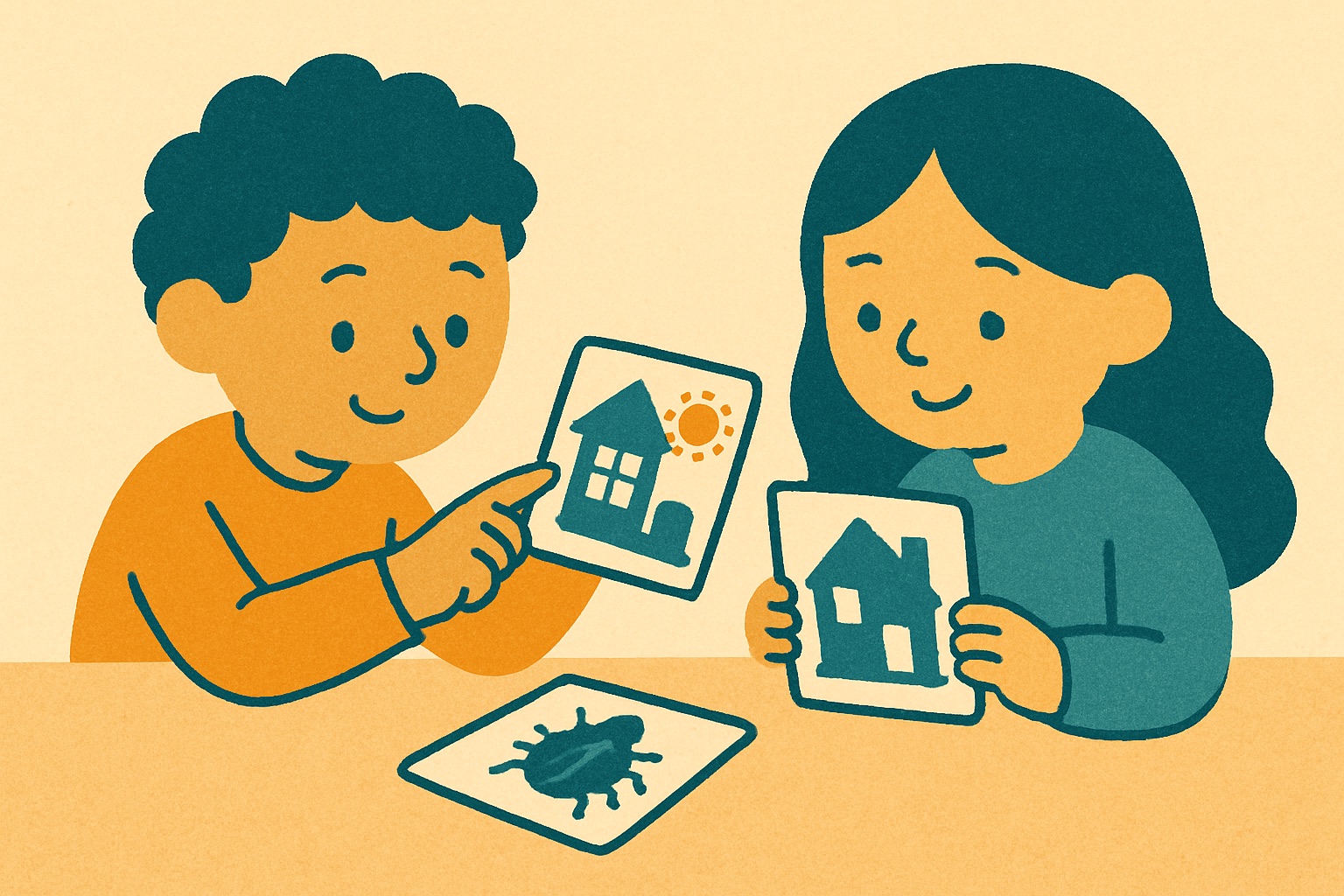
You do not need a degree in computer science to teach a child how to spot a fake. The clues are often hidden in plain sight, and young children are naturally brilliant at spotting things that look slightly out of place. When looking at images, you can turn verification into a fun spotting game. Ask them to look closely at hands, text in the background, or shadows. AI image generators often struggle with these details. A picture might show a person with six fingers, or a shop sign might have jumbled, nonsensical letters. Pointing these out together helps children realise that screens can lie.
Voice cloning and deepfake videos sound incredibly sophisticated, but they also have telltale signs. A cloned voice might sound just like a family member, but it will often lack the natural pauses, breathing sounds, or specific nicknames your family uses. If a child receives a strange voice note from a relative asking for a password, teach them to ask a secret family question that only the real person would know. For deepfake videos, tell children to watch the person’s mouth and eyes. Sometimes the lip movements do not quite match the words being spoken, or the person might not blink naturally.
Phishing scams rely heavily on deception through imitation. Scammers will make an email or a website look exactly like a popular game like Roblox or Minecraft to trick children into handing over their passwords. Teach your child to be highly suspicious of anything offering free items, rare skins, or secret cheats. The golden rule you can repeat to them is very straightforward: if a deal online seems too good to be true, it is almost certainly a trick.
These conversations fit perfectly into storytime. Children learn best through narrative and relatable characters, rather than dry lists of rules. This is exactly why our Safety Spotters books turn these lessons into stories children remember. By reading a picture book about a character who has to figure out if a digital message is real, the child absorbs the lesson without feeling lectured. They get to play the detective alongside the characters, making the skills stick long after the book is closed.
Building confidence without creating fear
A common worry among parents and teachers is that talking about online dangers will make children anxious or afraid to use the internet at all. It is a completely valid concern. We want our children to enjoy the immense benefits of digital technology, from researching school projects to playing creative games with their friends. The goal is to build resilience and confidence, not to create a sense of lingering dread.
To achieve this balance, focus on empowerment. When you discuss a deepfake or a scam, praise the child for their ability to spot it rather than focusing on the terrible things that might have happened if they had fallen for it. Use phrases like, “You were so clever to notice that picture looked a bit funny,” or “I am really proud of you for coming to tell me about that strange message.” Positive reinforcement builds a protective shield of confidence around them.
Keep the tone of your conversations light and casual. Instead of sitting them down for a serious, heavy talk about internet safety, bring it up naturally while you are watching television or playing a game together. If you see a heavily edited advert, you might casually say, “I bet a computer helped make that look so shiny.” By making media literacy a normal, everyday topic of conversation from Key Stage 1 onwards, you demystify the technology. Children learn that digital deception is just another part of life that they are fully equipped to handle.
Try this at home or in class
- The Silly Picture Game: Generate or find an obviously AI-generated image (like a dog riding a bicycle on the moon) and sit together to spot the mistakes. Count how many strange things you can find, such as floating objects or weird shadows. This trains their eyes to look closely at digital media.
- Establish a Family Password: Agree on a secret word or phrase that only your household knows. Tell your child that if anyone ever messages or calls them claiming to be you and asking them to do something unusual, they must ask for the secret word. If the person on the other end does not know it, it is a scam.
- The Ten-Second Rule Practice: Roleplay a scenario where a pop-up appears on their tablet saying their device has a virus and they must click a red button immediately. Practice taking hands off the tablet, counting slowly to ten, and calling out for an adult.
Frequently asked questions
Is five years old too young to talk about artificial intelligence? Not at all. You do not need to explain the coding behind it. Simply explaining that computers can draw pictures and copy voices is enough for a five-year-old to understand that not everything on a screen is real.
How can I tell if a video my child is watching is a deepfake? Look for unnatural blinking, blurry edges around the face, and audio that does not perfectly match the lip movements. If the person in the video is asking for money or personal details, treat it as highly suspicious.
My child clicked a bad link and is very upset. What should I do? Stay completely calm and thank them for telling you. Reassure them that they are not in trouble and that adults make these mistakes too. Then, disconnect the device from the internet and run a standard antivirus scan.
Should I just ban interactive games until they are older? Banning games entirely often leads to children playing them in secret. It is much safer to let them play age-appropriate games in a shared family room, where you can gently supervise and guide them when tricky situations arise.
If you would like to help the young people in your life build these vital skills, you can download a free copy of our latest guide for parents and teachers at safetyspotters.com/free.